Friday, November 4, 2011

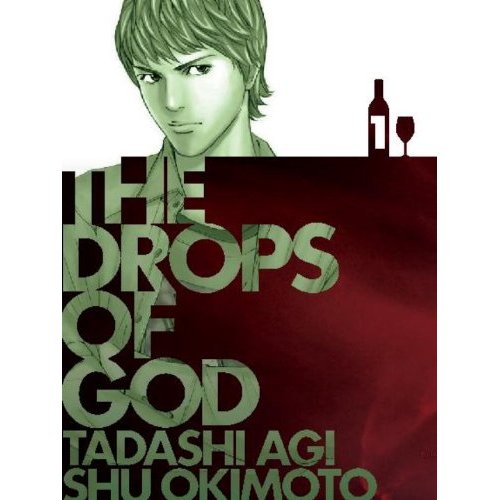
The Drops of God: A Fascinating Wine Comic

For four years, I have been awaiting the English translation of The Drops of God, a Japanese manga (essentially a comic book) about wine.  I first mentioned this book on my blog back in December 2007, in an article, A Comic Book Selling Wine. Since then, I have posted a few more times about this book, continuing to eagerly await the time when I could read this intriguing manga. The wait is over and The Drops of God: Volume 1 is now available, in English, in bookstores everywhere. I received a review copy of the book, and quickly devoured it, wasting no time to delve into its contents.

The Drops of God: Volume 1 ($14.95) is a trade paperback, about the size of a usual paperback manga, of 432 pages. Like a traditional manga, the book is read from back to front, which is a minor adjustment if you are not a regular manga reader and used to this format. It contains 18 issues of the original manga and I suspect subsequent volumes will contain a similar amount. The current schedule is for Volume 2 to be released on December 13, 2011 and Volume 3 on March 12, 2012.  At this rate, we might expect the release of 3-4 volumes per year.

The manga series began weekly publication in Japan in November 2004, and it is still ongoing, so it will be many years before all of the issues will be translated and published in English. In Japan, the manga will likely continue for at least a few more years, if not longer. At the current rate, three English volumes will constitute about a year of the weekly Japanese issues.

The plot centers on the will of a recently deceased wine critic, which sets into motion an intricate wine competition between two people to determine who will acquire the estate of the wine critic, including his valuable wine collection. It is a grand epic, which both informs and entertains, and has proven to be very influential. The Japanese have bought large quantities of many of the wines referenced in the manga. I found this first volume to be fascinating and intriguing, an excellent start to the series and I eagerly await the release of the next volume. Let me provide a bit more detail on the plot.

Yutaka Kanzaki was a world famous wine critic, considered a peer to Robert Parker, and died at age 67 from pancreatic cancer. He possessed a wine collection thought to be worth about 2 billion yen, which was approximately $20 million US dollars in 2004. Yutaka's deep passion for wine was evident in that he even drank on his deathbed, a 1959 Richebourg Grand Cru produced by the legendary Henri Jayer. Today in the U.S., that wine sells for over $7000 per bottle. Yutaka's estranged son, and apparently only living relative, is Shizuku Kanzaki.

Shizuku begins the series as a beer salesman, resentful of how his father raised him. Despite his father's professional fame in the world of wine, Shizuku refers to it as his father's "wine hobby." As he grew up, his father had him sniff leather belts for an hour, lick knives, snack on weird nuts, read poems, look at paintings, listen to music, and much more. This was all in the course of learning about wine yet as the series begins, Shizuku has still never tasted any wine. Shizuku grew tired of all of the training, and chose to enter into the world of beer instead. He was unaware of his father's illness as his father chose not to tell him. In addition, Shizuku was surprised to learn that a week before his father's death, his father adopted Issei Tomine, a famous wine critic.

Shizuku and Issei are set up as competitors, each trying to win Yutaka's estate. The will describes "12 great wines" as well as a "legendary wine called 'the Drops of God' that stands above all of them."  Within 1 year, each competitor must identify the name of the chosen wines, as well as their vintages. Issei did not really care about Yutaka and simply wants to claim his vast wine collection, which angers Shizuku. The first volume does not cover the identity of the first wine, though Shizuku and Issei do engage in a blind tasting contest over who will get to live in Yutaka's home. In Japan, the manga series has so far identified 8 of the 13 wines, and the competitors are tied. I suspect there will be a tie until the identification of the final wine, the legendary Drops of God.

A number of other interesting characters are introduced in the first volume, such as: Miyabi Shinohara, an apprentice sommelier at a French restaurant who becomes an ally and friend to Shizuku (will she become a love interest for Shizuku?); Shiro Fujieda, a bar owner and Miyabi's teacher who also becomes a partial mentor to Shizuku; Robert Doi, an old friend of Yutaka who also seems to be homeless; and Sara Tomine, a supermodel and Issei's sister (or will she become a love interest for Shizuku?).

The manga is educational, covering a number of wine topics such as the basics of decanting, vintage differences, and terroir and I am sure future volumes will cover other diverse wine topics. This is a fun format to learn, and the language is easy enough for everyone to understand. Though there are pretentious characters in the book, it is clear the authors' sympathies are not with those characters. Other characters present a better view of wine, with sentiments such as "But wine is originally meant to be popped open and enjoyed with friends over a tasty meal" and "Price isn't everything."

Though the first volume is very Franco-centric in its wine choices, especially devoting much attention to Burgundy, it also touch on wines from Italy and California such as the Rosso Miani and 2000 Opus One. Future volumes will cover wines from other countries as well, though France seems that it will always be the most dominant wine region.

We learn much through Shizuku's own education and exploration, who expresses his wine reviews in more unique ways. The first wine he ever tastes is the 2001 Chateau Mont-Perat, which impresses him and that he compares, in detail, to the music of the rock band Queen. Others in the volume review wines in a similar manner. For example, Issei compares the 1982 Chateau Mouton Rothschild to a painting, The Angelus, by Jean-Francois Millet. How often do U.S. writers describe wines in such a manner? Well, I think it is rather rare.

When they use language to describe wine, it can also be poetic. A woman shares a bottle of 1999 Henry Jayer Vosne-Romanee Cros-Parantoux with a man because she feels it expresses the feeling, "I want to be with you forever."  Issei feels that a Rosso Miani (an Italian wine with no vintage given) reminds him of Salome, an opera, and he states: "A demonic darkness resides in this wine" and "Indeed--this wine is sensuality itself. A blood-scented sensuality born of decadence.

Besides the great competition at the heart of this series, there are a number of other smaller contests nd challenges. These provide occasions to educate and entertain, and progress the knowledge of Shizuku. The outcomes of these challenges can surprise, and it is far from a given that Shizuku will prevail every time. These remind me of the numerous challenges from the Oishinbo manga series, which are about food and drink. The final challenge in the first volume, a contest pitting French wines against Italian wines is not completed, leaving you with a minor cliffhanger.

This manga raises many thoughts and questions in my mind. Why isn't there a good American wine comic? How popular will this manga be in the U.S.? What can the wine reviews in this manga teach us about writing our own reviews? What can this manga teach us about wine writing in general? What is the best way to educate consumers about wine? Will this manga influence American consumers like it has in Japan? If not, why not? Are American wine lovers ready for a wine comic, or will they view it, wrongly, as a childish pastime? Would this manga make an interesting television show? Can a wine television show be exciting?

American comics primarily center on superheroes, and offbeat topics like food and wine are very rare, if they exist at all. Despite the advent of more adult graphic novels, comics are still primarily seen as more for children or geeks. That is not the case in Japan, where manga are pervasive and many adults read them without any stigma. In Japan, approximately 500,000 people each week read The Drops of God, and you will never see such popularity here in the U.S. It is a significant cultural difference, and too many Americans still look at comics as not worthy of their attention. In addition, even if wine lovers might be intrigued to read this book, they would be unlikely to peruse the manga shelves for a wine book. It would be better if bookstores chose to shelve at least a few copies of The Drops of God in the wine section.

The Drops of God could help to reduce the intimidation level that many U.S. consumers feel toward wine. It presents some complex wine topics in an easy to understand manner, without talking down to the consumer. Yes, it may be simple at times but it also makes wine education fun. Combining education and entertainment is a great way to interest people in any topic.

In Japan, this manga has led to numerous wine sales though that is unlikely to happen in the U.S. First, the comics are old, the issues within the first volume being published in 2004 and 2005, so the wines mentioned probably won't be readily available, and even if they are, might be quite expensive. Some people might be interested in checking out newer vintages of some of these wines but I don't foresee any great rush to buy. But, it would be interesting to see a U.S. publisher create their own wine comic, showcasing recent wines and see how the American public reacts.

There is much more I could say about The Drops of God, more questions to address, and I may do so in the near future. I urge all wine lovers to take a look, with an open mind, at The Drops of God. Give it a chance and you might be surprised at how much you enjoy it.

Thursday, November 3, 2011

Thursday Sips & Nibbles: Thanksgiving Edition

Today, I am presenting a special Thanksgiving edition of Thursday Sips & Nibbles, my regular column where I briefly highlight some interesting wine and food items that I have encountered recently. If you don't want to prepare Thanksgiving on your own, maybe then you would prefer to dine out at one of the following nine restaurants.
**********************************************************
1)  Executive Chef/Owner Chris Coombs announces Deuxave's first Thanksgiving Day menu and is offering reservations on November 24, from 11am-8pm. Below is Chef Coombs menu along with Executive Pastry Chef Olivier Maillard and Pastry Sous Chef Giselle Miller's dessert selections.

First Course (Choice of):
Spiced Heirloom Pumpkin Soup (Adam & Larry’s Scituate Lobster, Chestnuts & Guanciale)
Warm Pulled Duck Confit Saladé (Friseé & Petit Mustard Greens, Forest Mushrooms, Dates
Chestnuts & Cranberry)
A Mélange of Heirloom Roasted Beets (Goat’s Cheese Beignet, Roasted Delicata, Celeriac, Ham, Spiced Pumpkin Seeds)
Main Course (Choice of):
Traditional Butter Roasted Misty Knolls Farms Turkey (Chestnut Stuffing, “Green Bean Casserole”, Sweet Potato Mash, Giblets, Pan Gravy, Heirloom Cranberry Sauce)
Misty Knolls Turkey Leg “Turducken” (Rillette Duck Confit, Chicken Foie Mousse, Hash of Brussels, Turnips, Sweet Potato Cranberry Sauce & Non- Traditional Gravy)
Braised Bone-In Beef “Short” Rib (Potato & Sunchoke Gratin, Braised Tuscan Kale, Chantenay Carrots, Celeriac Puree, Natural Jus, Horseradish)
Slow Roasted Salmon (Lentils du Puy, Curried Cauliflower, Poached Heirloom Cranberries, Butternut Puree, Cider, Chestnut Brown Butter Emulsion)
Dessert (Choice of):
Chocolate Parfait (Milk Chocolate Frozen Mousse with Spiced Streusel, Spicy Fudge Sauce, Peppermint Ice Cream)
White Chocolate & Spiced Pumpkin Soufflé (Confectioners’ Sugar, Ginger Anglaise)
French Apple Tart of Scott’s Farm (Caulville Blanc d’ hiver Apples, Normandy Cider Sorbet)

Cost: $75 Per Person

2)  Chef David Daniels of Aragosta Bar & Bistro has created dinner and brunch menus for Thanksgiving on November 24.

The three-course dinner menu features a choice of appetizer, entree and dessert. Appetizer selections include pumpkin lobster bisque, chestnut and foie gras risotto or veal and pancetta meatballs. For an entree guests may choose roasted turkey with chestnut stuffing and Barolo sage gravy, venison chop over saffron corn risotto, forest mushroom and butternut squash lasagna, lemon sole oreganato, or lobster ravioli. For a sweet finish the restaurant offers choice of pumpkin crème brulee, apple crisp or quince and cranberry turnover. The three course menu is available from 4pm-9pm p.m. on Thanksgiving Day. The pre fixe menu is $55 per person or guests may choose to order any menu item a la carte. The regular Aragosta menu will not be available.

Aragosta will also offer a brunch menu throughout the long weekend from November 24-28. A la carte brunch will be served from 10:30a.m.-2:30 p.m. Brunch specials include Thanksgiving turkey hash with autumn new potatoes and soft scrambled eggs, cranberry harvest bread pudding with chestnut yogurt sauce, and roasted turkey with Barolo gravy.

3)  Russell House Tavern is offering a 3-course prix fixe menu on Thanksgiving Day from 11am-9pm, at a cost of $45 per person with $20 optional wine pairing.

The menu features:
· Acorn Squash & Asian Pear Soup (Stuffing Style Corn Bread Croutons, Fried Sage)
· Hickory Smoked Salmon Terrine (Baked Apple Chutney, Chive & Dill Yogurt, Pumpernickel Crumbs)
· The Turkey Duo-Brined & Roasted Breast & Crispy Confit of Thigh (Classic Apple Stuffing, My Family’s Mushroom Dressing, Pan Gravy, Sweet Potato Puree, Cranberry Relish)
· Roasted Verril Farms Pumpkin Risotto (Reggiano Crunchies, Walnuts, & Grilled Scallions)
· Chocolate Chili Cake (Mexican Chocolate Ice Cream, Salted Pepper Caramel)
· Apple Spice Layer Cake (Cinnamon Butter Cream, Ginger Anglaise)

4)  Grafton Street is offering a 3-course prix fixe menu on Thanksgiving Day from 11am-9pm, at a cost of $38 per person.

The menu features:
· Five Spice duck Confit Tart (butternut squash, turnips, dried cranberries, watercress)
· Roast Turkey (corn bread stuffing, Yukon mashed potatoes, butternut squash, cranberry relish, giblet gravy)
· Pan Roasted Pork Loin (Brussels sprouts, macomber turnips, hen of the woods, sweet potato puree, apple cider jus)
· Spiced Chocolate Molten Cake (ginger molasses ice cream)

5)  Temple Bar is offering a 3-course prix fixe menu on Thanksgiving Day from 11am-9pm, at a cost of $38 per person.

The fixe menu features:
· Smoked Ham Hock Croquettes (Spicy Pineapple “Marmalade”, Micro Celery)
· Traditional Turkey Dinner (Slow Roasted All Natural Amish Turkey, Cornbread Apple-Chestnut Stuffing, Cranberry-Orange Relish, Candied Yams, Mashed Potatoes, Gravy)
· Turkish Fig Stuffed Roasted Pork Loin (Smokey Black-eyed Peas, Braised Collard Greens, Tasso-Maple Jus)
· Pan Toasted Faro "Risotto" (Oven Roasted Acorn Squash, Local Braising Greens, Sunchokes, Chestnut “Gremolata, Carrot-Ginger Coulis)
· Pumpkin Spice Cake (Cream Cheese Mousse, Pepita Crack)
· Cranberry-Apple Crisp (Vanilla Bean Ice Cream, Caramel Drizzle)

6)  On Tuesday, November 15th,at 6:30pm, Legal Sea Foods will host their next Legal Holiday: Thanksgiving. Guests will celebrate the holiday a bit early by feasting on a trio of small plates and sips. This Legal Holiday will feature autumnal highlights with the best from sea and vine that celebrate the fall harvest in Park Square’s 10,000 bottle wine cellar.

This seasonal menu will be served as follows:

FIRST COURSE
Mussels Au Gratin (Buttery Crumbs, Monterey Jack Cheese)
Zind-Humbrecht Pinot Blanc, Alsace, 2008
SECOND COURSE
Salmon Saltimbocca (Sweet Potato Mashed, Mushrooms, Marsala Wine Sauce)
Hermann J. Wiemer Cabernet Franc, Finger Lakes, 2007
THIRD COURSE
Banana Caramel Bread Pudding (Cinnamon Ice Cream)
Klein Constantia “Vin de Constance,” Constantia, 2006

COST: $35 per session (includes tax & gratuity)
Reservations required by calling: 617-530-9392

7)  On Thanksgiving, from 1pm-4pm, Aura Restaurant at the Seaport Hotel is holding a special Buffet Brunch ($70 per adult; $24 per child; complimentary for children under-6).

Selections from the spread will include (but is not limited to): Traditional Eggs Benedict; French Toast; Pancakes; Scrambled Eggs; Bacon; Pork Sausage; Chicken Apple Sausage; Leek & Truffle Quiche; Quiche Lorraine; Shrimp Cocktail; Caesar Salad; Pumpkin Chestnut Soup; New England Clam Chowder; Roast Turkey Breast with Cranberry Sauce; Stuffed Pork Loin; Individual Corn Bread Pudding; Roasted Brussels Sprouts; Cauliflower Gratin; Green Bean Almondine; Cranberry Glazed Turkey Legs; Macaroni & Cheese; and, Turbot Over Lentils with Braised Leeks. For dessert, Pastry Chef Karen Hodsdon will dish out the following: Assortment of Mini Pies; Apple, Pumpkin & Pecan Pies; Chocolate Mousse; Cheesecake; Fresh Berries; and, Cinnamon & Nutmeg Whipped Cream.

8)  On Thanksgiving, from 12pm-6pm, BOKX 109 American Prime at Hotel Indigo will serve up a customizable three-course prix-fixe menu for $55 per adult, $12 per child ages 12-and-under).

For starters, choose between a Roasted Cauliflower Soup or Fall Salad of Young Greens with Roasted Cranberry, Great Hill Blue Cheese, Roasted Pears, House Pancetta and Walnut Vinaigrette. For entrees, guests will choose between Roasted 109 Bone-in Prime Rib with Roasted Fingerling Potato, Popover and Horseradish Cream or a Classic Roasted Organic Turkey with Cornbread and Sage Stuffing, House-made Cranberry and Rhubarb Chutney and Giblet Gravy. Family-style side dish options include Roasted Fingerling Potatoes, Sweet Potato Puree and Roasted Brussels Sprouts. To finish off the feast, indulge in Mom’s Homemade Apple Pie, Pumpkin Cheesecake or a Flourless Chocolate Cake Ganache.

9)  On Thanksgiving, from 11am-7pm, Towne Stove and Spirits will serve a special three-course prix menu, in addition to their regular menu. The prix menu costs $49 per adult and $17 per child under 12.

The three-course prix menu starts with a choice of four options: Trumpet Royale Mushroom & Chestnut Soup with Truffle Cream; Beet & Goat Cheese “Ravioli with hydro watercress and toasted walnut dressing; Buttered Oysters Stew & Oysters with Caviar (add $12); or, Jumbo Shrimp Cocktail with Horseradish Mousse & Key Lime Cocktail Sauce (add $12). Moving onto the main course, diners can choose slow roasted Heritage Turkey basted in a ripe Muscat wine with sweet potato biscuits, an option of two varieties of stuffing (walnut apple & currants, or sausage, sage and quince), an array of side dishes including potato puree, roasted garnet yams with chili-spiced pecans, fried baby Brussels sprouts, spoon of bourbon wild rice, creamed onions and Lydia’s father’s cranberry sauce. To end on a sweet note, indulge in Hot Apple Tarte Tartin with prune Armagnac ice cream, or Sweet Potato Meringue Pie.

UPDATE: I changed the hours for Russell House Tavern and Temple Bar as I received new information.

Wednesday, November 2, 2011

Oregon Wine: The New Generation

After visiting some of the pioneers of the Oregon wine industry, we made a stop to see a few wine makers and wineries of the new generation, small operations which are only just starting to make their mark. An important question is whether these wineries will survive, and even if so, will they become important players in the industry. Economics seem to be a challenge for these small wineries, and those who meet the challenge well will survive, and hopefully thrive.  It was an interesting visit, gaining a comprehension of the challenges that face new wineries in Oregon. The visit occurred at Ayres Vineyard & Winery, located in Newberg, in the northern Willamette Valley.

Here, left to right, is Harry Peterson Nedry of Chehalem WineryMaggie Harrison of Antica Terra, Brad McLeroy of Ayres Vineyard & Winery, and Marcus Goodfellow of Matello. Harry is not one of the new generation, and is more one of the pioneers, and acted as our guide for our day of winery visits, telling us some of the history of the region and helping to answer our general questions about the Oregon wine industry. Maggie, Brad and Marcus are members of the new generation, and we got to taste a couple wines from each of their wineries. Once again, I should mention that our visit was relatively short so we gained a glimpse into their world, but it is certainly worth much deeper exploration.

The first vines of Antica Terra were planted in 1989 in the Eola-Amity Hills of the Willamette Valley, and the vineyard now encompasses 40 acres. In 2005, a trio of friends, Scott Adelson, John Mavredakis, and Michael Kramer, purchased the winery but needed a wine maker and they sought out Maggie Harrison. For eight years, Maggie had worked at the famous cult winery Sine Qua Non for Elaine and Manfred Krankl. When Maggie mentioned this fact to us, it was with great humility, and not in an effort to name drop. She appeared to be genuine and very personable.

Around 2004, Maggie desired to start her own project though when initially asked to work for Antica Terra, she declined. But she did agree to visit Antica Terra, and give her opinion on their land. When she came to Antica, she fell in love with the land, the terroir, and changed her mind, agreeing to become their wine maker. Now in the sixth year of its operation, the winery has yet to break even, though Maggie seems very hopeful for the future. She also note that Oregon has much more vintage variation than California which is a significant challenge for a wine maker.

The 2009 Antica Terra Chardonnay is made from old vine fruit from Bethel Heights and clone 76 from Johan, and only sees stainless steel. It was a crisp, pleasant wine, with some prominent citrus and melon flavors and a streak of minerality. The 2009 Antica Terra Estate Pinot Noir had prominent spice with a bright red fruit backbone, and a pleasing finish. Neither wine reminded me of an overblown California wine, but instead showed much more restraint.

Brad Leroy of Ayres Vineyard & Winery once worked at the famed Domaine Drouhin Oregon, and has approximately ten years of winemaking experience. Currently, the Ayres vineyard constitutes about 18 acres of Pinot Noir, including five clones, as well as 8 rows of white grapes. They still buy some of their grapes and eventually would like to grow all of their own. They make about 2500 cases of wine each year, a small amount. Brad mentioned that his largest challenge is maintaining a balance, trying not to grow too fast, and ensuring their economic viability.

The 2010 Ayres Pinot Blanc, made with grapes bought from the Willamette Valley AVA, is a very low production wine, with less than 100 cases. It was a delicious wine, with bright citrus flavors, including some pear notes, and a crisp acidity. It was produced in all stainless steel, and maintains an excellent freshness with underlying mineral notes.  I would highly recommend this wine. The 2009 Ayres Pinot Noir, Lewis Rodgers Lane ($35) is from their own vineyard, and is a blend of five clones. It had a compelling nose and taste, a beautiful, complex and elegant melange of black raspberry, black cherry, blueberry, dark spice and earthiness. A lengthy and satisfying finish capped this wonderful wine and I would also highly recommend it.

The first vintage of Matello, which means "little fool" in Italian, was 2002 and they now produce almost 2200 cases annually. Marcus Goodfellow purchases all of his grapes from small family owned and operated vineyards and he requires that those vineyards be non-irrigated. He likes buying his grapes as he feels it gives him greater options. His biggest challenge is economic, trying to become self sustaining, which certainly seems common to the newer wineries in Oregon.

The 2009 Matello Caprice is a blend of 80% Pinot Blanc & 20% Pinot Gris, and only 112 cases were produced. The wine sees only stainless steel and no malolactic fermentation, while also spending 18 months on the lees. It has a richer taste, with a combination of citrus flavors, some mineral notes and subtle spices. An intriguing and complex wine. The 2008 Matello Pinot Noir, Bishop Creek Vineyard, is a single vineyard wine with an alluring nose and plenty of bright red fruit flavors, including cherry and raspberry. There are mild spice notes to complement the fruit.

What are some of your favorite, newer wineries in Oregon?

300 Best Potato Recipes: All Hail The Spud

It was once referred to as an "edible stone" and "royal orange" though Spanish explorers ultimately gave this item its enduring name. Some people were suspicious of this item as it belongs to the same family as the poisonous deadly nightshade. The Germans once thought it might cause leprosy and the German philosopher Nietzsche felt that a diet predominantly of it led to alcohol use. What is the answer to this riddle?  I am referring to the almighty potato.

You'll find all this information and much more in 300 Best Potato Recipes: A Complete Cook's Guide, by Kathleen Sloan-McIntosh (Robert Rose, September 2011, $24.95), a trade paperback of 448 pages. Kathleen is a cookbook writer, recipe developer, and co-owner, with her husband Ted, of the Black Dog Village Pub and Bistro in Bayfield, Ontario. They also own The Black Dog Pantry, a specialty food shop. Kathleen's other cookbooks include: 100 Best Grilling Recipes: BBQ Food from Around the Word, Simply the Best: Food and Wine from Ontario’s Finest Inns, New Celtic Cooking, and A Year in Niagara: the People and Food of Wine Country.

The initial chapter, The Spud From All Angles, is a wealth of information and trivia on potatoes, including some history, nutritional information, background, recommendations and more. For example, did you know that the Irish were the first to refer to potatoes as "spuds," derived from the type of spade they used in cultivation? Or that the famed bank robber Dillinger carved a fake gun out of a potato and used it to escape from prison. This section also recommends different types of potatoes for varied preparations, such as baked, boiled, mashed, deep-fried and more. There is even a small bit on growing your own potatoes. This section will appear to cooks and food lovers or all kinds.

The next chapter, A World Of Potatoes, describes the basic categories of potatoes, generally based on their  starch content. These include Floury (high starch), All-Purpose (medium starch), Waxy (low starch), and Specialty (often heirloom varieties of varying starch contents). There are over 4000 potato varieties, an outstanding amount, but only 400-500 are in active production. The book contains a glossary of almost 200 of those potatoes, providing their Origin, Availability, Description and Uses, as well as sometimes a bit of additional information and trivia. This chapter is an excellent resource for when you encounter a strange potato.

The next ten chapters contain 300 recipes centering on the potato, from soup and appetizers to breakfasts and desserts. There are classic potato dishes, such as English Chips and Potato & Cheese Gratin. Recipes range across various cuisines, such as African Sweet Potato & Peanut Soup, Greek-Style Potato Salad, Potato Blini, Yorkshire Pudding Potatoes, and Netherlands Hotchpotch. There is a great diversity of recipes, and there should be plenty to appeal to any cook. Each recipe provides directions with ingredients in bold face, and a sidebar with various tips. Each recipe also starts with a brief description, advice, or history of the dish. Most recipes seem to be of easy to medium complexity, with maybe a few that might be more complex.

There are two sections of color photos, 8 per section for a total of 16, though that constitutes only about 5% of the recipes. I would have liked to see more photos, which can be very helpful to the recipes in determining what the final dish should resemble.

As I love potatoes, I found the first two chapters of this book to be especially fascinating. Many of the recipes also are interesting, and I think would be very useful. There is plenty of variety, and you'll find a potato dish to suit any of your needs. If you are a potato lover too, then I recommend this cookbook.

Fada beo na prátaí!  ("Long live the potato!")

Tuesday, November 1, 2011

Portland Is For Sake Lovers: Miho & Zilla

Portland, Oregon, is for Sake lovers.

Portland has a large number of izakayas and sake bars, so a sake lover can easily find a place to eat and sip some of his favorite sakes.  The literal meaning of "izakaya" is a “sit-down-sake-shop,” though it now often refers to a Japanese bar that also serves food to accompany alcohol, which includes more than just sake. Izakayas originated in the Edo period (1603-1867 AD) when sake vendors began to provide tables and seats for their patrons, and eventually started serving some food with the samples as well. Izakayas are also sometimes known as akachōchin, which means "red lantern," because it is traditional to hang a red, paper lantern outside of an izakaya.

From the second picture above, you can see the traditional red lantern hanging outside Miho Izakaya in Portland. On an early Sunday evening, two Portland sake lovers, Dewey, of SakeOne, andMarcus, the Oregon Sake Manager for Young's Columbia, took me out to dinner at Miho. The restaurant, which opened in 2009, is named after the chef and co-owner, Michael Miho, who comes from Hawaii. Though I did not meet the chef, I did get the chance to speak with Michael Carothers, co-owner and bar manager, who hails from Tennessee. Hawaii and Tennessee uniting for a Japanese izakaya? Don't worry, it really works.

The restaurant has a small interior dining area, and its porch has a number of picnic tables for exterior seating. It is a very casual place, a great place for a group of family or friends to go out to drink and eat. As it was a beautiful summer day, we ate outside, enjoying the weather and waiting for the dishes and sake to begin to flow..

The drink menu has about 12 sakes, 5 shochu, 10 beers, assorted cocktails and several nonalcoholic beverages. The sake is generally available in 4 ounce ($4-$10) or 10 ounce ($8-$20) sizes, and includes imports as well as the local brand SakeOne. You'll find intriguing cocktails like "Little Debbie," a blend of shochu, grapefruit and ginger ale, and the "Lucky Rabbit," a blend of Silver tequila, Moonstone pear infused sake, triple and lime. Plenty of choices, no matter what your preferences.

I enjoyed a couple sakes, including the SakeOne G Joy, though was surprised that I actually liked a beer, the Lucky Buddha. It is a lager, brewed in China, from all natural ingredients including malt, rice, water and hops. It was crisp, refreshing and light, with a mild flavor. Plus it comes in a green bottle shaped like Buddha, which is very cool!

The food menu, which changes regularly, has over 30 items, generally small plates meant to be shared. The chalkboard will also have a number of daily specials, depending on what is fresh and seasonal. Prices vary from $2-$12, making this a very affordable place, especially considering the quantity of food on every dish. There is a nice variety of dishes, including vegetarian options, and most are Japanese inspired though a few have a Hawaiian flair. You probably will have difficulty narrowing down your choices as so much sounds delicious.

We selected a variety of dishes, and I was impressed by the freshness of many of the ingredients. Most of the dishes involved simple preparations, but they were expertly done, presenting clean, fresh and delicious flavors. The dishes tended to be light, and a nice accompaniment with chilled sake. After dinner, you will likely feel full, but not overly stuffed, so you will be able to continue drinking elsewhere if you desire.

The Sashimi of the Day ($12) was hamachi, and it was absolutely stunning, fresh and silky smooth in my mouth. The large slices almost seemed to melt on my tongue. The Sashimi is the most expensive item on the menu, and everything else costs $10 or under. The quality and quantity of this sashimi though was well worth the price.

When I saw the Wasabi Watermelon ($2) on the menu, I knew I wanted to try it. The fresh watermelon cubes have been soaked in a wasabi sauce, and then sprinkled with black sesame seeds. The juicy watermelon had a slight spicy kick which I enjoyed, and which paired well to the sweetness of the fruit. I wouldn't have minded if it were spicier either. This is something I would like to prepare at home during the summer.

We also enjoyed a few vegetable dishes, including a plate of Fresh Tomatoes, Sweet Corn & Chili Butter, and Kabocha Squash. Each was quite tasty, with the Kabocha really shining, with its sweet flavor. So vegetarians would be quite happy dining here. In fact, about half the dishes listed on the menu are noted as being Vegan.

The Ika Calamari Salad ($4) is quite a large dish for the price, with a melange of fresh veggies and tender calamari. There was some crunch from the wonton strips and crispness from some of the raw veggies. A colorful presentation and a fine combo of flavors and textures make this a winner.

I would certainly return here, to try more of their dishes and drinks. Tasty food, fine drinks and a good value make this an excellent destination. Miho Izakaya is impressive and I strongly recommend it.

Miho Izakaya on Urbanspoon

After Miho, we moved on to Zilla Sake House, a sake & sushi bar, for more drinking. It is a small place, a cozy bar which seems to acquire the loyalty of many regular customers, who store their own sake cups here. Many of their customers are young people, the "future sake generation," which bodes well for sake consumption in the years to come.

Zilla sells beer, wine and cocktails but the heart of the bar is their sake. They carry 60-80 different sakes, and their sake menu is a small book, which provides useful information about the sakes. For a sake lover, this is paradise, with so many diverse choices available. From namazake to daiginjo, sparkling sake to nigori, there is much to entice any sake lover. We drank several different sakes, and bonded well over these delicious drinks. We desperately need a place like this in Boston.

The sushi is reasonably priced, such as Maguro (2 pieces for $5) and Salmon (2 pieces for $4.75). Above is a picture of the Uni with Quail Egg which we eagerly devoured with our sake. I have to say that this was one of the tastiest Uni I have ever eaten, fresh, creamy and earthy. If the rest of their sushi is this fresh and delicious, then this is a superb sushi destination.

I later returned to Zilla on Monday evening with my friend Gordon, and we drank even more sake. Zilla Sake was another impressive Portland destination and I highly recommend it to all sake lovers. I will certainly be back, on my next journey to Portland.

Many thanks to Dewey, Marcus and Gordon for showing me a brief sample of Portland's sake scene.

Zilla Sake House on Urbanspoon