Showing posts with label Spain Wines. Show all posts

Tuesday, December 16, 2025

Top Twelve Favorite Wines of 2025

As 2026 approaches, it's time once again to reflect upon the past year, to remember and savor pleasant memories. Previously, I posted three of my food-related Favorites lists and it's now time to cover my Top Twelve Wines of 2025

This list includes wines that not only I enjoyed, but which I also found to be particularly compelling for various reasons. They might be especially delicious, something more unique or just excellent values for the price. They all stand out, for some particular reason, above the other wines that I've tasted this past year. This list also includes only wines I reviewed on my blog, although I tasted some excellent wines that I didn't write about.

As I've mentioned before, I currently work at Victoria Hill Wine, Spirits & Gourmet, in Melrose, and I preside over their Wine Tastings on Thursdays (from 5-7pm) and Saturdays (from 1-4pm). During the past year, I've poured plenty of excellent and diverse wines, a number which are worthy of being on this list, although I haven't written about them on my blog this year. So, you can always stop by the shop and ask me for some of my top wine recommendations from those tastings. In 2026, I'll try to keep a list of my best recommendations from these tastings, noting them on my blog, to make it easier to find such wines.  

The following is a purely subjective list, based on my own preferences, and makes no claims about being the "best" wines out there. It's primarily the wines which spoke to me the loudest, even when they were subtle wines. These are all wines that I strongly recommend and which I believe many other wine lovers would also enjoy.

The wines are not listed in any particular order and each choice is linked to my more detailed prior review. All of these wines are worth your consideration but please also note that the prices are approximations and the actual price may vary in your area. In addition, some of the wines might not be available in your local region, though you might be able to order them from the winery or an online store, dependent on your state's shipping laws.


************

I enjoyed this wine at a wine dinner at A Tavola in Winchester. It's a white wine made from 100% Trebbiano Spoletino, which is a different type of Trebbiano, grown in Umbria, than many have experienced before. The winery was established in 2002, and their vineyards are sustainably farmed. The wine matured on the lees for several months, and saw only stainless steel. It was a fascinating wine, with complex and intriguing flavors, including citrus and stone fruit, with a strong herbal streak and hints of saline. A very unique tasting wine and its flavors seem to evolve over time in the glass.  

2) 2019 Torrevento Castel del Monte Bolonero ($15)
I also enjoyed this wine at the same wine dinner at A Tavola as above. The winery, whose history extends back about 100 years, practices sustainable farming practices. This wine is a blend of 80% Nero di Troia and 20% Aglianico, which aged for about 8 months in stainless steel. Nero di Troia is a lesser known grape from Puglia, whose origins may extend back to the ancient Greeks. However, it's said to produce quite delicious wines and is said to be deserving of much more attention. The wine was silky smooth, with a complex melange of flavors, including ripe plum and black cherries, accented by spice notes and savory herbs. Restrained tannins, excellent acidity, and a lingering, satisfying finish. Pure deliciousness and a great value.

3) 2022 Pere Mata Cupada Rosé Cava Reserva Brut Nature ($20-$25)
Produced more in a style like a Grower Champagne, this Cava Rosé is composed of a blend of 30% Macabeo, 25%, Parellada, 20% Xarello, and 25% Monastrell. The wine was fermented and aged in stainless steel for about 24-30 months. It was disgorged without any dosage and possesses a 12% ABV. It's a pale pink in color with an enticing aroma of red fruits, which makes you desire a taste. On the palate, it's crisp and dry, with clean tastes of red fruit, especially strawberry, with hints of citrus and rose petals. Plenty of tiny bubbles, a lengthy, pleasing finish, and overall, an air of elegance and deliciousness. For the quality and taste of this Cava, it's very reasonably priced, and can be enjoyed on its own, although it would pair well with a variety of foods as well. Seafood, chicken, pasta, and more. 
Produced on the Spanish island of Mallorca, this wine is made from 100% Callet, a grape indigenous to Mallorca. Their Callet comes from organic vineyards, which are over 50 years old, and which grow in Cal Vermell soils, which are reddish, iron-rich and porous. The grapes are foot trodden, a rare practice nowadays, and fermented with native yeast. It's then aged in clay amphora and stainless steel for about five months. The resulting wine is also bottled unfined, unfiltered, and without any added sulfur dioxide and at an 11% ABV. With a fruity aroma, this wine is light bodied with delicious red fruit flavors, especially raspberry, with hints of black olive and herbs. It's smooth and easy drinking, with a satisfying finish and a rather unique taste. This is the type of wine which could also be slightly chilled if that's your preference. It's excellent on its own, but would pair well with foods suck as roast chicken or duck, or a roast pork loin. 

5 & 6) Alileo Wines: Sicilian, Organic Boxed Wines ($19.99/1.5 liter)
Boxed wine on this list? Why not? These two boxed wines are made in Sicily, use organic grapes, and wine production uses spontaneous fermentation. The wine is also boxed unfiltered. Alileo offers four different varietals. The Alileo Wines Young Bianco is produced from young Grillo grapes. With a bright yellow color, and a 12.5% ABV, the wine had a pleasing nose of citrus and floral notes, both which come out on the palate as well. It is fresh and clean, with good acidity, savory and herbal notes, and a pleasant finish. An excellent summer wine. The Alileo Wines Rosato Bronzato is produced from 100% Syrah and has a 12% ABV. "Bronzato" means "tanned by the sun," but it's also a slang term for "someone who partakes in some sporty imbibing." With a dark pink color, and a fruity aroma, the wine is fresh and crisp, with a medium-body and tasty, bright flavors of red fruit, especially cherry, and a savory element. Excellent on its own, and perfect for the summer, but it's very food friendly as well.

This is a rarity, a Vintage Sherry (Jerez de Añada) which is also En Rama. With a 16% ABV, it possessed an alluring nose, with a touch of the sea, almonds, subtle citrus notes, and hints of herbs. On the palate, it was complex and compelling, delicious and intriguing. It was bone-dry, with plenty of acidity, a prominent briny character, and notes of apple and lemon. There were also hints of almonds, olives and herbs. It possessed a lengthy and satisfying finish. This Manzanilla would pair well with fried foods and seafood, especially oysters. An impressive wine, its complexity and taste would appeal to many wine lovers.  

8) Bodegas Yuste Conde de Aldama Palo Cortado Sherry ($120+)
This is another rarity, a Palo Cortado Sherry which possesses an average age of at least 130-150 years!  I have to begin noting that words are truly inadequate to depict the totality of drinking this extremely old Palo Cortado. However, I will try to encapsulate some of its wonders. First, it possessed a fine, dark amber color. Second, the nose possessed a complex and intense melange of harmonious aromas that seduced and tantalized me. I could identify some of the notes, but others were more elusive, exotic hints of rare aromas. Third, my palate was overwhelmed with pleasure, such an incredible taste. Complexity and harmony, pure elegance and balance. There was even a measure of freshness to this sherry, which is amazing considering its great age. It also possessed a diverse melange of flavors, both familiar and not, including briny notes, almonds, caramel, dried figs, subtle citrus, and much more. An extremely long and pleasing finish. I never wanted to stop drinking this Sherry and it possessed everything I might desire in such a wine. Perfection in a bottle. 

9) 2024 Varvaglione 1921 Susumaniello Rosé ($19)
From the Puglia region of Italy, this Rosé is which is produced from 100% Susumaniello, a rare grape of ancient lineage, and has a 13% ABV. The wine is aged in stainless steel, with periodic suspension of the lees. With a vibrant pink color, the nose is alluring with plenty of red fruit aromas and hints of spice. On the palate, it is crisp and dry, with bright red fruit flavors of strawberry, raspberry and cherry, along with subtle spice notes. On the lengthy finish, there's hints of minerality, and it's simply delicious. This would be excellent on its own, although it would also be an excellent food wine. Overall, this was an impressive Rosé, perfect for the summer, but which would be great year round.  

10) 2020 Zuccardi Poligonos Paraje Altamira Malbec ($30-$35)
A Malbec with a sense of place, from grapes in mountain vineyards, and aged in concrete. Produced from 100% Malbec, this wine was fermented with native yeasts in concrete vessels. It was then aged in concrete, and possessed a 14% ABV. It was fresh and bright, with a rich purple color, and a nose of black fruits and hints of herbs. On the palate, the fruit dominated, with flavors of ripe plum, black cherry and blueberry, but is supported by mineral notes (a stony element) and a subtle herbal accent. It was medium-bodied, with restrained tannins and good acidity. The finish was long and satisfying, and this was an excellent wine with a hearty meal. A complex and intriguing wine, the lack of oak helps you better understand the terroir, how the Malbec of his particular region differs from Malbec from other areas. Those who already enjoy Malbec will be thrilled by this wine, and others, who may not know much about Malbec, will also be thrilled by its taste.  

11) 2022 Olivier Roten Dôle Coteaux de Sierre ($25)
Produced in Switzerland, this wine is a type called Dôle, a traditional blend of Pinot Noir and Gamay. The Olivier Roten winery is seeking Organic certification and is otherwise sustainable. This wine is a blend of 70% Pinot Noir and 30% Gamay, with a 13% ABV. The wine was fermented in stainless steel and then aged for at least 6 months in concrete tanks. It has a light red color, translucent, and an appealing nose of strawberry, black cherry and a touch of earthiness. On the palate, it's a light bodied and elegant wine, with fresh flavors of red fruits, such as raspberry and strawberry, a touch of earthiness, and hints of minerality. It possesses good acidity, mild tannins, and a lengthy, satisfying finish. Would be a nice pairing with salmon to roast chicken, pizza to burgers. An easy-drinking wine, but not a simple one. 

12) 2024 Tetramythos Agrippiotis Orange Nature
This fascinating Greek wine is certified organic, has a 11.5% ABV, and is made from a rare Greek white grape, Agrippiotis (also known as Curisti). It grows in the Peloponnese peninsula and the Ionian Islands, and is known for its high acidity, low yields, and the ability to grow well even in challenging environments. This wine underwent skin contact maceration for about 20 days, and was fermented with indigenous yeasts. It was bottled unfiltered, unfined and with the addition of minimal sulfites before bottling. The wine has a fine golden hue, slightly cloudy, with an alluring and complex nose of citrus, dried fruit, and floral elements. The promise of the nose is fully realized on the palate, which is elegant and complex, with bright acidity and an intriguing taste. The fascinating and complex flavors include citrus, dried fruits, baked apple, subtle herbal notes, and a touch of salted nuts. Each sip brought something new and exciting to my mouth. It's a well balanced wine, with mild tannins, and a lengthy, satisfying finish. An excellent food wine. It's a compelling wine that mere words cannot adequately describe, and which must be experienced to fully understand its beauty and wonders.

**********
Five countries made the list this year, with Italy in first place, occupying five spots on the list. Spain is in second place with four spots, with Argentina, Switzerland and Greece  each occupying one spot on the list. As for wine types, the list is also broken down into 1 Sparkling Rosé, 2 Rosé,  2 Whites, 4 Reds, 1 Orange, and 2 Fortified Wines. 

I have other wine recommendations on my blog and you just have to search for them. If you have some of your own recommendations for excellent wines you've enjoyed in 2025, please add them to the comments.

Monday, June 30, 2025

Rant: Embrace The Wonders Of Sherry

"There are only two kinds of sherry, the good and the better."
--Jerez saying

What is one of the tastiest, most intriguing, and unique wines that you're probably not drinking? It's most likely Sherry, a fascinating fortified wine from a small region of southern Spain.

As a long-term lover and fervent advocate of Sherry, I enjoy taking the opportunity, to spread my passion for this wine, to intrigue others to give it a try. Sherry remains a niche beverage in the U.S., and most of the Sherry imported into the U.S. is sweet. As such, many Americans, including many wine lovers, have not encountered the myriad joys of dry Sherry. It's dry Sherry which is enjoyed the most in Spain, and there must be a very good reason for that fact. 

In less than two weeks, I'll be opening my oldest Sherry, the Bodegas Yuste Conde de Aldama Palo Cortado, which is said to be at least an average age of 130-150 years old. I previously wrote about their Amontillado, referring to it as "perfection in a bottle." You can check out that prior article for a lengthy and interesting history of these ancient Sherries. 

It's extremely difficult to find these Sherries any longer, and I'd buy more myself if I could find them. Fortunately, I still have several in my cellar, so I can enjoy them a few more times. How much do you think you would pay for a wine of that great age? $500? $1000? More? You might be shocked to learn I paid less than $200 a bottle for these Sherries, making them a superb value as well. One of the reasons I paid such a low amount may be due to the relatively low demand for Sherry. 

Sherry sales have been on a decline for years but recent reports indicate it may be making a tentative comeback. In April 2025, a Sherry article in Forbes stated, "Sales of sherry have declined since its heyday. People drink less but are more demanding and ask for higher quality. Premium sherry is increasing its sales; inexpensive sherries and cream sherries (many will remember Bristol Cream) are decreasing." A November 2024 article in Sherry Notes also indicated that sales of sweet Sherries have been continuing to decline, but sales of dry Sherries have been faring better, although mainly Fino and Manzanilla Sherries.

As I've written in my History of Sherry, it's a cyclic wine, which has undergone numerous ups and downs through the years, and has always founds a way back up. So, I can easily understand why Sherry consumption might see another upward swing in the future. More consumers definitely need to explore the diversity and wonders of Sherry. 

Sherry education is essential to the promotion of Sherry consumption, to get more Americans exploring this intriguing fortified wine. Here are some items that hopefully will motivate you to discover more about Sherry.
  • The Sherry region has a lengthy, fascinating history, extending back a few thousand years and may even the source of the Atlantis legend. 
  • Palomino, the primary grape of Sherry, may have been planted by the ancient Phoenicians. Every sip of Sherry is a taste of history.
  • Sherry may have been the first wine brought to the New World.
  • The Mayflower, before it sailed to the New World by the Puritans, was used to transport Sherry.
  • Aged Sherry is one of the best values in the wine world. You could buy 50 year old Sherry for $50-$100, far cheaper than almost any other aged wine on the market. 
  • Francois Chartier, who has written on the science of food and wine pairings, states that Fino Sherry is the "King of Food Pairings."
  • A Sherry Bodega is radically different from the average wine cellar, helping to make Sherry possess its distinctive nature.
  • Here are 10 Things you should know about Sherry.
  • And here are 5 More Things you should know about Sherry.
Locally, Sherry is starting to get a little more visibility, albeit more in the form of Sherry cocktails. I enjoy such cocktails, but I would like to see more people enjoying Sherry on its own too. If you enjoy the flavors of Sherry in cocktails, then why not try the flavors on their own, without other flavors clouding the issue. Try a Fino or Manzanilla, an Amontillado or Oloroso. Or maybe even a Palo Cortado. And then you can move onto some Sherry variations such as En Rama.

Unfortunately, most restaurants rarely list Sherries on their wine lists, and when they do, it's commonly on their Dessert wine list, where they offer sweet versions. Have you ever dined at a restaurant where the sommelier recommended a Sherry with your appetizers or entree? Probably not, unless you have dined at a local Spanish restaurant, and even then, although they might have Sherries on their wine list, they still rarely seem to recommend them to diners. 

Locally, the best place to enjoy Sherry is at Taberna de Haro in Brookline, which may have the largest Sherry list in the region. Some of the other Spanish restaurants in the Boston+ area also have a few Sherries on their wine lists too. Non-Spanish restaurants need to embrace Sherry too, especially considering how well it pairs with a wide variety of foods. The popularity of Sherry would grow if more restaurants and wine stores promoted it. 

Take a chance and buy a dry Sherry, to expand your palate and taste something new. You can thank me later when you find a new favorite. 

Tuesday, April 15, 2025

4 Kilos Vinicola Motor America: A Light Red Wine From Mallorca

The island of Mallorca, which is part of Spain, is the largest of the Balearic Islands in Mediterranean Sea and is located roughly 128 miles south of Barcelona. The history of wine making on this island extends back to the ancient Romans but in modern times, in 2002, there were only about 10 wineries on Mallorca. However, in the next 20+ years, this number expanded to about 100 wineries, and some of their wines are now available in the U.S. 

Have you tasted a wine from Mallorca? I first tasted a Mallorcan wine back in 2007, and have enjoyed a few others over the years. So, I've always been interested in tasting more of their wines.  

4 Kilos Wines was founded in 2006 by Francesc Grimalt, a Mallorcan winemaker, and Sergio Caballero, a musician. Initially, this was a tiny operation, and they made their wine in "milk refrigeration units on a sheep farm." A year later, they were able to expand, and create a small winery, producing wine from organically grown, indigenous grapes which average 25-50 years old. The name of the winery, "4 Kilos," refers to their original investment of 4 million pesetas (about $27,000 U.S.). Certainly a small investment. They are passionate about highlighting indigenous grapes and showcasing terroir in their wines. 

The 4 Kilos Vinicola Motor America ($24.95) is made from 100% Callet, a grape indigenous to Mallorca. I'll note that the name of this wine, "Motor America," is a nod to Grimalt's father, who worked in the auto industry. Grimalt, when he was the winemaker at Ànima Negra, played a significant role in establishing Callet as a valued grape at a time when many others saw it as an inferior grape. "Callet" means ‘black’ and the grape is dark-skinned, most commonly used in the production of Rosé. Callet also tends to be low in alcohol, with soft tannins, prominent raspberry flavors with sometimes spicy and herbal notes. I've previously had Mallorcan wines made with Callet, but it was always used in a blend, so this was the first time I tried a 100% Callet wine.

Their Callet comes from organic vineyards, which are over 50 years old, and which grow in Cal Vermell soils, which are reddish, iron-rich and porous. The grapes are foot trodden, a rare practice nowadays, and fermented with native yeast. It's then aged in clay amphora and stainless steel for about five months. The resulting wine is also bottled unfined, unfiltered, and without any added sulfur dioxide and at an 11% ABV. 

With a fruity aroma, this wine is light bodied with delicious red fruit flavors, especially raspberry, with hints of black olive and herbs. It's smooth and easy drinking, with a satisfying finish and a rather unique taste. This is the type of wine which could also be slightly chilled if that's your preference, especially during the upcoming summer. It's excellent on its own, but would pair well with foods suck as roast chicken or duck, or a roast pork loin. Highly recommended!

Tuesday, February 18, 2025

2022 Pere Mata Cupada Rosé Cava Reserva Brut Nature: Delicious Spanish Bubbly

During the last couple years, the quality of Cava, a Spanish sparkling wine, has been increasing, due to several different factors from stricter regulations to more organic and sustainable wines. For some Cava producers, they are trying to emulate, in some respects, the smaller Grower Champagne producers. This is all excellent news for those who desire higher quality, more unique, and interesting Cavas. 

One such winery is Mata i Colomaowned by winemaker Pere Mata, and I'll note that "coloma" means "dove" or "pigeon." Pere once worked for larger producers of Cava, but struck out on his own in 2000, creating a small Cava winery which concentrates on quality. The vineyard, located in Sant Sadurní d’Anoia in the Penedès region, consists of only 5 hectares, organically farmed (and awaiting certification), and planted with the traditional varieties of Xarello, Macabeo, and Parellada. The vines are an average of 30 years old.

In general, his Cavas are Brut Nature, meaning they don't have any dosage and are very dry. His wines also only use free run juice and then are aged for at least 24 months, with some being aged over 48 months. Pere continues to improve the quality of his Cavas, constantly experimenting with various aspects of production, from the aging vessels to time on the lees.  

The 2022 Pere Mata Cupada Rosé Cava Reserva Brut Nature ($21.99) is composed of a blend of 30% Macabeo, 25%, Parellada, 20% Xarello, and 25% Monastrell. The wine was fermented and aged in stainless steel for about 24-30 months. It was disgorged without any dosage and possesses a 12% ABV. It's a pale pink in color with an enticing aroma of red fruits, which makes you desire a taste. On the palate, it's crisp and dry, with clean tastes of red fruit, especially strawberry, with hints of citrus and rose petals. Plenty of tiny bubbles, a lengthy, pleasing finish, and overall, an air of elegance and deliciousness. 

For the quality and taste of this Cava, it's very reasonably priced, and can be enjoyed on its own, although it would pair well with a variety of foods as well. Seafood, chicken, pasta, and more. Pere Mata has produced an excellent Cava, and I hope to taste more of his wines in the future. Locally, you can find this Cava at Victoria Hill Wine, Spirits & Gourmet in Melrose.

Tuesday, January 7, 2025

Top Twenty Wines of 2024

As 2025 approaches, it's time once again to reflect upon the past year, to remember and savor pleasant memories. Previously, I posted three of my food-related Favorites lists and it's now time to cover my Top Twenty Wines of 2024

This list includes wines that not only I enjoyed, but which I also found to be particularly compelling for various reasons. They might be especially delicious, something more unique or just excellent values for the price. They all stand out, for some particular reason, above the other wines that I've tasted this past year. This list also includes only wines I reviewed on my blog, although I tasted some excellent wines that I didn't write about. Those wines might be mentioned elsewhere in my Favorites lists. 

This is a purely subjective list, based on my own preferences, and makes no claims about being the "best" wines out there. It is primarily the wines which spoke to me the loudest, even when they were subtle wines. These are all wines that I strongly recommend and which I believe many other wine lovers would also enjoy.

The wines are not listed in any particular order and each choice is linked to my more detailed prior review. All of these wines are worth your consideration but please also note that the prices are approximations and the actual price may vary in your area. In addition, some of the wines might not be available in your local region, though you might be able to order them from the winery or an online store, dependent on your state's shipping laws.


************
I enjoyed this wine at a wine dinner at A Tavola in Winchester. Made in the Campania region, this wine is made from 100% Fiano, and the vineyards have limestone soils with a top layer of volcanic soil. The wine is aged for about four months in stainless steel, and will age well. It possesses an alluring aroma of citrus and floral notes and on the palate, it's complex, dry, and crisp. You may get notes of apple and lemon, floral notes and hazelnut, as well as a backbone of minerality. A lengthy, pleasing finish completes this well balanced and delicious wine.  

2) 2019 Palladino Langhe Nebbiolo D'Alba ($25)
At the same wine dinner at A Tavola, this was my favorite wine of the night. Fermented in stainless steel, it's then aged in Slavonian oak. It possessed an alluring aroma, a palate of complexity, and epitomized pure deliciousness. Such an intriguing melange of black cherry, raspberries and ripe plum, with hints of violets and mild spice. Restrained tannins, well-balanced, elegant and compelling. This is a wine to slowly savor over the course of an evening, enjoying how it evolves over time. 

3) 2022 C&C Lecareux L'Hydrophobe ($28)
Produced by Domaine Les Capréoles in the Brouilly appellation in Beaujolais, this wine was produced during a rough vintage where hail destroyed much of their vineyard. However, they persevered with what grapes they could save, some of their Gamay vines being over 80 years old. With an intriguing nose of cherries, violets, and subtle spices, on the palate, it was bright, fresh, fruity and complex with silky tannins. A delightful melange of ripe plum, black cherries, hints of forest, a touch of minerality, and even a subtle briny note. Well balanced, good acidity, and a lengthy, pleasing finish. You can easily enjoy this wine on its own, but it also will pair well with a variety of foods, from pizza to burgers. 

4) 2019 Sant'Or Santameriana Orange Wine ($25)
Santameriana is a traditional Greek grape, with a lengthy history, but it was devastated by phyloxera in the first half of the 20th century. Fortunately, a few vines have survived. This wine was made from 100% Santameriana which were fermented with native yeasts. The wine was amphora aged (the amphora being around 200 years old), with 20 days of skin contact. It was also unfined, unfiltered, with a very low level of sulfites, and is vegan. With a 13% ABV, the wine possessed a light orange color, with an intense, complex and intriguing nose of citrus, pear, dried fruits, and tea notes. On the palate, it was medium-bodied and elegant, with good acidity and a minerality streak. The flavors were complex, including orange, pear, honey, and dried fruit, with prominent tannins and a length, satisfying finish. It was also savory, not sweet, with subtle hints of herbs and spices. A fascinating wine which benefited from slowly sipping it over time, allowing it to evolve, presenting different flavors and aromas over time. 

5) 2018 Korak Stare Sorte Amber Wine ($60+)
I purchased this wine while I was in Croatia, and it's probably not available currently in the U.S. The Korak Family Estate is well known for its Sparkling Wines, but it also produces several different skin contact wines. This wine, inspired by "In Search of Lost Time" by Marcel Proust, is an intriguing field blend of grapes, many old vines, including Šipelj, Belina, Plavac Zuti, Rizvanac, Grasevina, Veltliner, Silvanac, and Traminac. The grapes were macerated for about 60 days, natural yeasts were used, there was no added sulfur, and it was only 12% ABV. Only 500 bottles were produced! This was an amazing wine, complex and well balanced, with such a depth of flavor. Tannic, herbal notes, subtle spices, dried fruits, minerality, and much more. Great acidity and a long, lingering finish. Each sip delights the palate, bringing something new with each taste. One of the more unique wines I tasted in Croatia. 

6) 2018 Clai Sv. Jakov Malvazija ($50+)
This was another wine I bought during my last Croatian trip, although it is available in some places in the U.S. This wine was produced from 100% Malvazija, which are certified organic, and the vineyard is about 42 years old. This wine is only bottled in excellent vintages, and the 2016 was the previous vintage bottled before the 2018. The grapes spend two months with skin contact, and later aged for two years in large oak barrels, ending with a 15% ABV. It possesses an alluring and complex aroma, and on the palate, the complexity remained, each sip bringing something new and exciting to my palate. Savory, delicious and compelling, a type of wine which is hard to easily describe. 

7) 2021 FIOL Prosecco DOC Rosé Extra Dry ($22)
I'm not usually a fan of Prosecco but this wine was a stand-out. A Prosecco DOC Rosé must be a blend of Glera and Pinot Nero (10-15%) and undergo a minimum 60-day secondary fermentation in tank (double the time for a “classic” Prosecco). It must also be vintage-dated. This wine was a blend of 85% Glera and 15% Pinot Nero, with an alcohol content of 11% and residual sugar of 13 g/L. The Charmat method was used to produce it. The wine possessed a fine pink color and a pleasant aroma of red fruits with citrus notes. On the palate, it was dry and crisp, with plenty of tiny bubbles and prominent flavors of strawberry and raspberry, with more subtle notes of apple, lemon and peach. It also possessed a fairly long, clean and pleasing finish. It was a well balanced and delicious sparkling wine. A great choice for people seeking a Prosecco which differs from the rest of the crowd. 

Again, I found another interesting Prosecco but this time it wasn't Sparkling. Were you aware that the Prosecco DOC includes Still wines, known as Tranquilo? It's not a style which is commonly available in the U.S. The VOGA Prosecco DOC Still, with a 10.5% ABV, is produced from 100% Glera, which commonly has high acidity and is known for a taste of white peaches. This wine possessed a pleasant nose of citrus, especially pear and melon notes. On the palate, it was light, crisp and dry, with tasty flavors of pear, green apple and a touch of floral notes. It was an easy drinking wine, although it wasn't overly simple. A fine summer wine for patio sipping, or to accompany seafood and light chicken dishes.

9) 2023 Parajes del Valle Bobal Ecologia Rosado ($16-$18)
This Spanish Rosé is made from 100% Bobal, organically grown, from the Manchuelo DOP, in high-elevation vineyards, which average 45 years old, with solids rich in clay and limestone. The Bobal grapes are pressed, without maceration, and fermented with native yeasts in concrete. The wine is then aged in concrete tanks until bottling. With a 12% ABV, the Rosé has a darker pink color with an alluring nose of red fruits with subtle herbal notes. On the palate, it's dry and crisp, with delicious and complex flavors of raspberry, cherry, and strawberries and more subtle citrus and melon flavors. It's also accented with intriguing herbal notes, a touch of minerality, and possesses a lengthy and pleasing finish. An excellent Rosé, it works well on its own during summer weather but also is very food friendly, doing well with seafood. 

10) The 2022 Mersel Red Velvet ($25)
This Lebanese wine is produced from 100% Cinsault, from ten year old organic vines located at Deir El Ahmar in the Bekaa Valley, at an altitude of about 1,200m. With native yeasts, it was fermented in a sealed concrete tank and eventually underwent malolactic fermentation too. The wine was also unfiltered and unfined. Even though it's a red wine, the winery recommends that it be served chilled, as you would a white wine, and I followed their suggestion. With a 13% ABV, the Red Velvet had a pleasant smell of red fruits with a touch of spice, and on the palate, it was light-bodied, dry, and with a hint of spritz. The flavors included strawberry, cherry, cranberry with subtle spice notes. Definitely a nice summer wine, especially with the chill to the wine. Easy drinking, but not overly simple. Would be a good wine with barbecue or even just pizza. 

11) 2016 Cara Nord Trepat ($17)
This Spanish red wine is produced from Trepat, an indigenous grape. This wine was fermented in a stainless steel tank, and then aged for an additional ten months in the tank, seeing no oak aging. With a 12.5% ABV, the wine is a dark red, almost purple color, with a pleasant nose of red fruits and the hint of herbs. On the palate, the wine is medium-bodied and complex, with plenty of flavors of cherry, strawberry and ripe plum, with herbal accents and subtle earthy notes. A moderately long and satisfying finish. Interesting and delicious, indicative of the potential of Trepat. This would be an excellent wine with grilled meats or even just pizza. 

12) Bodegas 501 Gades Amontillado Viejisimo VORS Sherry ($50-$65)
This winery no longer exists, so wine could be difficult to find. This is a VORS Amontillado, a wine that must average at least 30 years old, but this wine is likely even older. An Amontillado is a type of sherry which undergoes both biological and oxidative aging. This Amontillado possessed a light amber color, with an alluring aroma. On the palate, it was dry and complex, with harmonious flavors of salted nuts, caramel, mild spices, and a touch of tobacco. It also possessed a lengthy and intriguing finish, providing much pleasure. As I slowly sipped the wine over the course of the evening, the wine evolved in the glass, with other complex flavors seem to peek out at times, making this a wine to savor slowly over time, relishing its fascinating profile. A superb sherry! 

13) 2019 Achados e Perdidos Codega do Larinho Vinho Branco ($12)
An excellent example of a value wine. This Portuguese white wine is made from 100% Côdega do Larinho, a rare, indigenous grape, primarily found in the Douro and Tras-os-Montes regions. It's a pale-skinned grape which is aromatic and floral, with notes of citrus and tropical fruit. It often has low acidity, so tends to be blended with higher acidity grapes. In the past, the grapes were often used in field blends for white Port. The grapes for this wine come from a 100-year old vineyard, which is organically farmed, on black schists soils with some granitic sands. During production, there's minimal skin contact and fermentation takes place in stainless steel tanks, using native yeasts. The wine, with a 12% ABV, is then aged in the bottle for a year. Despite the grape commonly said to have low acidity, this wine proves exceptions exist. It actually possesses a crisp acidity, a nicely balanced wine, and is a sheer pleasure to drink. Notes of tart lemon, ripe peach and juicy pineapple with a backbone of minerality. A pleasing, lengthy finish.

14) 2022 Troupis Hoof & Lur Moschofilero ($20-$25)
A Greek wine made from 100% Moschofilero, an indigenous grape whose history probably extends back to antiquity. It's a pink-skinned, aromatic white grape, and used in White, Rosé and Sparkling wines. The winery states that this wine is "an homage to the wines native to the high plateau of Mantinia for millennia." The Moschofilero grapes spent three months on the skins, and then were fermented, with wild yeasts, in terra cotta spheres, with stirring of the lees. The wine wasn't fined or filtered, and also is vegan. This is supposed to be the style of wine that their parents and grandparents once enjoyed. The color of this wine is a dark blood orange, the hue from the pink grape skins more than evident. It's much darker than many other amber colored, skin-contact wines. You might almost think it were a light red wine. The aromas are enticing, an intriguing blend of citrus and spice. And on the palate, there's a complex blend of flavors, bright citrus, red berries, spice, and touches of honey. Crisp acidity, moderate tannins, a rich mouthfeel and a lengthy, pleasing finish. Overall, an intriguing and tasty wine which will appeal to adventurous wine lovers.

15) 2021 Chateau Musar Levantine De Musar ($35)
This Lebanese wine is produced from a blend of Cabernet Sauvignon, Cinsault, and Tempranillo. The winery has been growing Tempranillo for about 12 years, having planted it due to the effects of climate change. Another effect is that they now harvest about two weeks earlier than they once did. It took about three months to come up with the name of this wine, and the first vintage was in 2016. This is a small production wine, only about 10% of the production level of the Chateau Musar Jeune Red. This unoaked wine is silky smooth, with low tannins, and delicious flavors of red and black fruit, and subtle spice notes. If you enjoy Spanish reds, you will likely enjoy this wine.  

16) 1997 Chateau Musar Blanc ($80)
This Lebanese white wine is one of the flagship wines of this acclaimed winery. The Blanc is a blend of 75% Obeideh and 25% Merwah, two indigneous grapes from organic vineyards, which are 100-120 years old. This vintage possessed a darker, more amber color, and also possessed a fuller body, than younger vintages. It was elegant and ethereal, with complex, but more subtle flavors of fruit, spice, honey, caramel and herbs. Each sip brought new flavors to mind, and I was mesmerized by the quality of this wine and how well it had aged. It's a wine that must be experienced, and for which words cannot do proper justice. 

17) 1997 Chateau Musar Rouge ($160):
This Lebanese red wine is the other flagship wine of this acclaimed winery. It is produced from a blend of Cabernet Sauvignon, Cinsault, and Carignan (from organic vineyards), which underwent a lengthy fermentation in cement vats before aging in French oak for a year. The wine is then typically released 7 years after the harvest. I enjoyed this wine at a special dinner at Prezza, paired with luscious Lamb Chops. It was an amazing vintage, still with plenty of intriguing fruit flavors and plenty of acidity. It was aromatic and ethereal, complex and intriguing. Another wine that changes over time in the glass, and which will cause you to consider the various flavors that evolve over time. It's another wine that must be experienced, and for which words cannot do proper justice. 

18) 2012 Ippolito 1845 Ripe del Falco Ciro Riserva ($24) 
I ordered this wine at the Sogno Restaurant in Woburn. This Italian wine, from the Calabrian region, is produced from 100% Gaglioppo grapes from a 40+ year old vineyard. I found it to be complex and interesting, with an intense aroma and a pleasing taste of red and black fruits, spice notes and some subtle herbal notes. Good acidity, restrained tannins and a lengthy and satisfying finish. It was an excellent food wine and I'll be seeking out this wine to purchase at retail. 

19) 2022 Thymiopoulos Xinomavro Young Vines ($20). 
This Greek wine is produced from 100% Xynomavro, an indigenous grape whose name roughly translates as "acid-black." Xinomavro is the second most planted red grape in Greece. The grape is most often compared to Nebbiolo (and sometimes Burgundy), and tends to possess strong tannins and high acidity, meaning it also can age very well. As the wine ages, it starts to lose its red fruit flavors and begins to acquire savory notes, especially tomato and olive. This wine presented delicious juicy red fruit flavors, accented by good acidity, a subtle earthiness, and some herbal notes. Fresh and bright, it's a fine summery red wine, and pairs well with a variety of foods.

20) 2017 Bocale Montefalco Sagrantino ($35-$40)
I enjoyed this wine at Il Ponte in Woburn. This Italian wine is produced from Sagrantino, an indigenous grape in the Umbrian region. It's considered to be one of the most tannic grapes. It possesses an alluring aroma, and on the palate it's complex and intriguing, with prominent tannins, which still are restrained so they don't overpower. Black and blue fruit notes, some floral elements, and a mineral backbone. Some spices notes, a touch of almost chocolate, and a lengthy, pleasing finish. Well balanced and delicious. An excellent food wine, especially with a steak or another hearty dish, like a meaty ragu. 

**********
Seven countries made the list this year, with Italy in first place, occupying six spots on the list. Lebanon is in second place with four spots and Greece and Spain are tied for third place, each occupying three spots on the list. In fourth place was Croatia with 2 wines and with a single spot each on the list, there's Portugal and France. As for wine types, the list is also broken down into 1 Sparkling, 1 Rosé,  4 Whites, 9 Reds, 4 Amber, and 1 Fortified Wines. 

I have other wine recommendations on my blog and you just have to search for them. If you have some of your own recommendations for excellent wines you've enjoyed in 2024, please add them to the comments.

Tuesday, August 20, 2024

Bodegas 501 Gades Amontillado Viejisimo VORS Sherry: The Final Bottles

Bodegas 501 no longer exists! The winery owed a significant amount of back taxes, over 16 Million Euros, and the company was eventually seized and put up for auction. So, a Sherry like that pictured above, will no longer be produced. It's now a dwindling supply and if you want to obtain their Sherries, you should act now.

The origins of Bodegas 501 extend back to 1783, making it one of the oldest wineries in Spain, when Pascual Moreno Mora founded a winery in the town of El Puerto de Santa Maria. In 1875, King Alfonso XII granted the winery the title of Supplier of the Royal Household, which provided them fame, especially for their brandies. In 1941, the firm Carlos y Javier de Terry, S.L. was established. Around 1993, Pedro Torres and his partners purchased the winery, renaming it Bodegas 501 del Puerto, S.A. Since then, the winery made agreements with other companies, including the Osborne Group

Since 2016, Bodegas 501 owed taxes over 16 Million Euros, although they had already stopped producing wines, only continuing to make brandies. There were rumors that the taxes were due to alleged fraud in the payment of their taxes. The company was seized and their assets were auctioned off during the summer of 2021.  

The Bodegas 501 Gades Amontillado Viejisimo VORS Sherry (about $50-$65) is an Amontillado, a type of sherry which undergoes both biological and oxidative aging. They are commonly a light amber color, dry and nutty, with herbal and spice aspects. This is also a VORS Sherry, which refers to its aging category, and means "Vinum Optimum Rare Signatum" (Wine Selected as Optimal and Exceptional). The wine must be of an average age of at least 30 years, and undergo rigorous testing to ensure its high quality. 

However, this wine was sourced from a solera of 8 botas, Sherry barrels, each which held about 132 gallons each. The exact age of these botas was unknown so the average age of the sherry could actually be much longer than 30 years. Even if that age was known though, there isn't a designation higher than VORS. I've previously had a VORS Sherry, which had an average age of over 100 years, but on the label, it can only be said to be at least 30 years old.  

This Amontillado possessed a light amber color, with an alluring aroma. On the palate, it was dry and complex, with harmonious flavors of salted nuts, caramel, mild spices, and a touch of tobacco. It also possessed a lengthy and intriguing finish, providing much pleasure. As I slowly sipped the wine over the course of the evening, the wine evolved in the glass, with other complex flavors seem to peek out at times, making this a wine to savor slowly over time, relishing its fascinating profile. A superb sherry, which I would highly recommend.  

I previously purchased this sherry at Bin Ends in Needham, although it wasn't currently available there the last few times I've been there. 

Monday, August 12, 2024

2016 Cara Nord Trepat: A Delicious Mountain Wine

When I'm wine shopping, I'm always on the look out to experience new grapes, new wine regions, new styles, and more. There's so much to explore in the wine world and I want to be a vinous adventurer. So, when I was recently at Bin Ends in Needham, I found the 2016 Cara Nord Trepat ($16.80), a Spanish red wine produced from Trepat, an indigenous grape. My previous experience with Trepat is extremely limited, having enjoyed it only once as the major component of a Cava Rosé. So, I wanted to experience Trepat for the first time in a red wine. 

The Cara Nord Celler, which was founded by three friends/winemakers, is located in the Denomination of Origin Conca de Barberà, in central Catalonia in the north of the Tarragona Province. "Cara Nord," which translates as "North Face," reflects the fact that their vineyards are located on the north face of the Sierra des Prades Mountains, at an altitude of about 800 meters. The vineyards are exposed to intense climatic conditions, with harsh winters and short summers. It's certainly a challenging area for vineyards. 
 
Historically, the Conca de Barberà was known for its white wines, but that has changed, and now the region primarily produces red wines, especially from Trepat, an indigenous grape. In general, Trepat produces wines that are light, fruity, and slightly acidic. Cara Nord practices sustainable agriculture, and "prioritizes the conservation and biodiversity of the forests that surround the vines, enabling an integrated and sustainable organic approach." Their wine making philosophy is also minimal intervention. 

The 2016 Cara Nord Trepat was fermented in a stainless steel tank, and then aged for an additional ten months in the tank, seeing no oak aging. With a 12.5% ABV, the wine is a dark red, almost purple color, with a pleasant nose of red fruits and the hint of herbs. On the palate, the wine is medium-bodied and complex, with plenty of flavors of cherry, strawberry and ripe plum, with herbal accents and subtle earthy notes. A moderately long and satisfying finish. Interesting and delicious, indicative of the potential of Trepat. This would be an excellent wine with grilled meats or even just pizza. Highly recommended. 

Have you tasted a Trepat wine before?

Tuesday, July 23, 2024

2023 Parajes del Valle Bobal Ecologia Rosado: A Delicious Spanish Rosé

Parajes del Valle, which was established in 2018, is located in Jumilla, in the southeast region of Spain and occupies about 65 hectares. Monastrell is the most dominant grape in that region. Their wine maker is Maria Jover, who is about 28 years old, and once worked at the famed Vega Sicilia. Her objective is to produce wines with minimal intervention and true to the terroir of the region. 

The winery has also extended its operations into the Manchuela D.O., which is located more in the center of Spain, and bordering Jumilla. The primary grapes in this region include Bobal, Tempranillo, Garnacha, Monastrell, Macao, and others. Wines from this region are less commonly found in the U.S. despite the quality of their wines. 

The 2023 Parajes del Valle Bobal Ecologia Rosado (about $16-18) is made from 100% Bobal, organically grown, from the Manchuelo DOP. Bobal is indigenous to the region of Utiel-Requena, but it's grown in a few other regions, such as Manchuela, and its history extends back at least to the 15th century. Bobal derives its name from the Latin term "bovale" which refers to the shape of a bull’s head. For this wine, the Bobal grapes are from high-elevation vineyards, which average 45 years old, with solids rich in clay and limestone. 

The Bobal grapes are pressed, without maceration, and fermented with native yeasts in concrete. The wine is then aged in concrete tanks until bottling. With a 12% ABV, the Rosé has a darker pink color with an alluring nose of red fruits with subtle herbal notes. On the palate, it's dry and crisp, with delicious and complex flavors of raspberry, cherry, and strawberries and more subtle citrus and melon flavors. It's also accented with intriguing herbal notes, a touch of minerality, and possesses a lengthy and pleasing finish. An excellent Rosé, it works well on its own during this hot summer weather but also is very food friendly, and does well with seafood. Highly recommended!   

Locally, this wine can be found at Bin Ends.

Tuesday, December 27, 2022

Top Ten Wines of 2022

What were some of my favorite wines of the past year?

As 2023 approaches, it's time to reflect upon the past year, to remember and savor pleasant memories. As 2022 winds down, I'll be posting my annual series of Favorite Lists over the next few weeks, covering food, wine, spirits and other drinks. These lists should provide a comprehensive summary of my favorites from this past year, allowing my readers to more readily locate such gems, the best of my recommendations. My first Favorites List of 2022 is my Top Ten Wines.

This list includes wines that not only I enjoyed, but which I also found to be particularly compelling for various reasons. They might be especially delicious, something more unique or just excellent values for the price. They all stand out, for some particular reason, above the other wines that I've tasted this past year. This list also includes only wines I reviewed on my blog, although I tasted some excellent wines that I didn't write about. Those wines might be mentioned elsewhere in my Favorites lists. 

Please note that this list doesn't include any of the 350 Croatian wines I tasted on this year's journey to that fascinating country. Those Croatian wines deserve their own list. However, a couple Croatian wines are on this list, as I tasted them months before I traveled to Croatia. 

This is a purely subjective list, based on my own preferences, and makes no claims about being the "best" wines out there. It is primarily the wines which spoke to me the loudest, even when they were subtle wines. These are all wines that I strongly recommend and which I believe many other wine lovers would also enjoy.

The wines are not listed in any particular order and each choice is linked to my more detailed prior review. All of these value wines are worth your consideration but please also note that the prices are approximations and the actual price may vary in your area. In addition, some of the wines might not be available in your local region, though you might be able to order them from the winery or an online store, dependent on your state's shipping laws.

************

1) 2019 Duca di Salaparuta 'Kados' Grillo ($18)
At a Sicilian wine dinner at A Tavola in Winchester, one of my favorite Italian restaurants, I enjoyed several wines which made it onto this Favorites list. The first is the Kados, made from 100% Grillo, a white grape that is commonly used on Sicily, especially for producing Marsala wine. More frequently now, it's also being produced on its own, as a still white wine. About 55% of the wine was fermented in small oak casks for about forty days, and the entire wine aged in the bottle for at least three months. With about a 13% ABV, this wine had a pleasing nose of citrus and floral notes, and on the palate, it was bright, fresh and crisp, with tasty notes of citrus and a little salinity. An excellent wine for seafood, and it was a nice companion to Jonah crab. 

2) 2018 Duca di Salaparuta 'Làvico' Nerello Mascalese ($25)
Also from the A Tavola Sicilian wine dinner, this wine was made from 100% Nerello Mascalese, a red grape that is predominantly found on Sicily. The grapes for this wine were grown on the slopes of Mount Etna, at an altitude of about 600-800 meters. The wine was aged for at least 12 months in small, fine oak casks, and had about a 13.5% ABV. In some respects, this wine resembled Pinot Noir, being light bodied with bright cherry flavors, but this wine also had some intriguing notes of cranberry, a touch of balsamic, and some subtle herbal notes. Overall, it was complex and silky smooth, well balanced, with lots of acidity and possessed of a lengthy and pleasant finish. Absolutely delicious and highly recommended. 

3) 2017 Duca di Salaparuta 'Duca Enrico' Nero d'Avola ($50)
Also from the A Tavola Sicilian wine dinner, this is the flagship wine of this winery and an icon in Sicily. It was the first 100% Nero d’Avola label, in 1984, in the history of Sicilian wine. It was aged for at least 18 months in fine oak casks and then another 18 months in the bottle. With about a 14.5% ABV, this wine possessed an alluring aroma of black fruits, mild floral notes, and subtle spices. On the palate, it was complex and engaging, compelling and delicious. Notes of blackberry and ripe plum, subtle spices, earthy notes, smooth tannins, good acidity, and a lingering finish. A superb wine that was bold yet restrained, silky and mesmerizing. Highly recommended and well worth the splurge! 

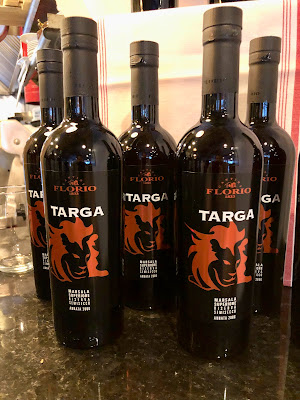
Also from the A Tavola Sicilian wine dinner, this Marsala was produced from 100% Grillo, and was aged for at least seven years in Slavonian, 1800-liter oak barrels. Florio is the oldest Marsala house on Sicily. With a 19% ABV, it had a bright amber color and on the nose it reminded me strongly of an aged Amontillado Sherry. On the palate, it continued to remind me of Amontillado, with notes of dried fruit, citrus notes, a subtle nuttiness, and a mild sweetness. Such an intriguing and delicious wine, it opened up my eyes to the potential of Marsala. Highly recommended!  And I definitely need to drink more Marsala wine in 2023.

5) 2021 Esporão Bico Amarelo ($12)
It's no surprise to see Portuguese wines on this list. And previous vintages of this wine, and the next one, ended up on prior Favorites lists. This wine was a blend of 40% Loureiro (from Quinta do Ameal) and 30% each of Alvarinho de Monção e Melgaço and Avesso de Baião. It possessed an 11% ABV, which is slightly less than the previous vintage. In addition, the wine remains in contact with the lees for 4-6 months, rather than only 3-4 months as in the previous vintage. For this vintage, the flavor profile was similar to the previous wine, except there was a slightly richer body feel to the wine. Again though, it was still light and refreshing, with bright notes of lemon, citrus and floral elements. It's an easy drinking wine, a true crowd pleaser, and works well on its own or paired with seafood or other light dishes. 
This wine is is very similar to the previous vintage, produced from 100% Loureiro (from 20 year old vines) which sits on the lees in stainless steel for about 7 months and has a 11.5% ABV. My previous tasting note for this wine was: "I fell in love with this wine from the first sip. It possessed an intriguing nose, stone fruits and floral elements, and on the palate, its complexity and rich flavors burst through. It was crisp, fresh and dry, with a delightful melange of citrus, peach, floral notes, minerality and subtle herbal touches. This wine was well-balanced with a lengthy and delicious finish. This wine would also be perfect on its own, or paired with seafood or similar lighter dishes." It's difficult to add anything to this description as it's still appropriate for the new vintage, and I don't think there is really any significant difference with the new vintage. It remains an amazing wine, one which thoroughly impressed me. At $18, this is a very good value and I'd highly recommend buying this wine by the case.

While dining at an excellent Italian restaurant in Nova Scotia, we enjoyed a bottle of this wine with dinner. Made from 100% Nebbiolo, the wine spent about 12 months in steel, oak, and the bottle. This was a tasty wine with flavors of bright red fruits, violet notes, restrained tannins, good acidity, and a lengthy finish. A very good food wine.

8) 2018 La Tintorera “Kira-9” Rosado ($20-$25)
At a dinner at Nightshade Noodle Bar, another one of my top favorite restaurants, I loved this intriguing Spanish Rosé. It was made from 95% Mencia and 5% Dona Blanca, fermented and aged in stainless steel. Delicious, dry, and full of bright red fruit flavors. Easy drinking and very food friendly, it went well with the various dishes we enjoyed. Great summer choice!

9) 2019 Black Island Merga Victa Pošip ($25)
From a winery on the island of Korčula, this wine was produced from 100% Pošip and had a 13.5% ABV. On the nose, there were delightful notes of stone fruits, citrus and floral elements. When I tasted this wine, it was intriguing and delicious, fresh and crisp, with a nice melange of flavors, including peach, pear, and orange, accompanied by a prominent floral aspect with herbal notes. It's probably the most floral Pošip I've ever tasted, and reminded me in some aspects to Viognier, Muscat and Gewurtztraminer. The finish was long and pleasant, and overall, the wine was nicely balanced and compelling.

10) 2020 Fakin Malvazija Istarska ($29)
Made from 100% Malvazija Istarska, this wine also had a 13% ABV and spent about six months aging in stainless steel. On the nose, it had an alluring nose of peach, herbs and spices. On the palate, it ws fresh, dry and crisp, with delicious citrus and stone fruit flavors, spice notes, a mild floral element and a backbone of minerality. It was medium bodied, with a very pleasing finish, and was certainly enjoyable on its own although it would pair well with food as well. I would like to try this wine with oysters or a light chicken dish, or maybe even some Asian cuisine.

**********

Four countries made the list this year, with Italy in first place, occupying five spots on the list. Portugal and Croatia occupied two spots, while Spain occupied one spot. As for wine types, the list is also broken down into one Rosé, five Whites, three Reds, and one Fortified Wine. I have other wine recommendations on my blog and you just have to search for them.

If you have some of your own recommendations for excellent wines you've enjoyed in 2022, please add them to the comments.

Tuesday, July 26, 2022

Nightshade Noodle Bar: Tasting Menu Delights

Nightshade Noodle Bar is one of my Top Three Favorite Restaurants in the Boston+ area. It's consistently excellent, with killer cuisine, an interesting drinks program, top-notch service, and a cool ambiance. It earns my highest recommendation (check out prior reviews) and I have encouraged numerous people to dine there, who also loved their own experiences there. Thus, when I was deciding where to have a celebratory dinner for my birthday, I chose Nightshade. 

For this visit, I opted for the Blind Tasting Menu option, where you simply choose the number of courses and then the Chef decides which dishes to serve you. You can suggest a course or two you would like included in the menu. The Tasting Menu options include 7 courses ($85), 9 courses ($110), 12 courses ($140), and 14 courses ($160). In addition, on Wednesday evenings, they offer a special 5 course menu ($50). For an additional fee, they can also create Custom Drink Pairings for your dinner.

This was my first time trying one of their Tasting Menus, and I chose the 9 course dinner, without the custom drink pairing as I decided to select my own wine. I also asked for the Dry-Aged Duck Breast to be included in my tasting menu. I was thoroughly impressed with my dining experience, greatly enjoying the various dishes, which presented a nice variety. Some of the dishes were presented in a single dish, to be shared with my dining companion, while others were presented in individual dishes, one for each of us. By the end of the evening, I was sated and very, very happy. A wonderful birthday celebration.

As I was there more for a celebration, I took photos but no notes, so I don't recall all of the specific details of each dish. Our server, who was personable, knowledgeable and attentive, did explain each and every dish. Some of the dishes were prepared fairly simply, while others were more complex, with a greater amount of ingredients, and each dish was well balanced, with both taste and texture. 

We started our dinner with a glass of a Brut Nature Cava, as all celebrations should begin with some bubbly. It was a very dry and flavorful Spanish sparkling wine, which ended up being a great choice for our initial food courses. 


We began our dinner with Caviar Service, with an eggspuma dip, garlic, and crisp potato chips. The caviar, slightly sweet and mildly briny, went nicely atop the creamy dip and the salty chips. There is some creme fraiche in the intriguing and tasty dip too. I liked the fun pairing of caviar with potato chips, rather than the usual blinis. 


The Second Course included more unique treasures from the sea, Percebes and Uni. The chilled Percebes, also known as gooseneck barnacles, commonly come from Spain and are very dangerous to harvest. They are found on rocky coasts, in dangerous surf, in Galicia and the fishermen risk their very lives to obtain them. Their shell almost looks like talon, and you simply need to twist off the shell to get the tubular meat inside. The meat is tender, lightly sweet and briny, a definite taste of the ocean, and they were served with a Vietnamese lime pepper dipping sauce. A delicious and unique treat. It's been a long time since I enjoyed percebes, so it was a pleasure to have them again. 

I've long been an Uni fan, so was also pleased to enjoy some again too, this time in the shell with some Thai basil. Creamy, salty, and tasty, the Uni also went very well with our bubbly. This duo, of Percebes and Uni, was one of my favorite dishes of the tasting menu. 

For the Third Course, we received Kabocha Squash Bot Chien, which is composed of Vietnamese rice cakes, crispy confit duck tongues, green chili sauce, duck egg, and pickled carrots & daikon. As I've said before, this is an intriguing and creative dish, which was a fine blend of textures and flavors, all meshing well together. The crispy duck tongues were a nice addition and unless you knew what they were, you probably never would have guessed that they were tongues. This is a fine example of a more complex dish, which is well balanced and works extremely well. 

The Fourth Course was Peach Bahn Mi, with green chili citrus butter and pickles, atop toasted bread. A nice treat, with some sweetness from the peach, a nice crunch from the toast, more crunch from the pickles, as well as good acidity balancing the sweetness. 

It was difficult to get a good photo of the Fifth Course, as it was deep down inside a a small cup. It was Dry-Aged Duck Breast with braised yuba, smoked pork broth, and a tamarind bbq sauce. The duck was exquisite, tender, moist and flavorful, and I could have easily devoured a much larger dish of the duck. What looked like thin, wide noodles was the yuba, dried tofu skin, which was a little dense and sopped up the broth and sauce well. Highly recommended.

The Sixth Course: The Homemade Egg Noodles, one of my favorite dishes on their menu, made with caramelized garlic sauce, peanuts, Thai basil, and chili crisp. A superb dish, with immense flavor, lots of umami, and a great balance of textures and flavors. I think I've eaten this dish every time I visited Nightshade, and I'm sure I'll eat it again many times to come.

Onto the Seventh Course: Amarena Cherry Claypot Caramel Foie Gras atop grilled coconut sticky rice. A decadent dish, with delightful textures, including the silky foie, and a nice blend of flavors, from the cherry to the coconut. 

As a palate cleaner, our Eighth Course was light and refreshing, although I can't recall exactly the components. Our Final Course, of which I didn't get a photo, was a small dish of Chocolate Mousse. a rich, creamy chocolate with a subtly complex taste with hints of citrus, dried fruit and spice and enhanced by a touch of sea salt. And there was a lit candle in my dish for my birthday. A nice little touch. 

During the course of the dinner, we drank a bottle of the 2018 La Tintorera “Kira-9” Rosado, a Spanish Rosé made from 95% Mencia and 5% Dona Blanca. It was fermented and aged in stainless steel. Delicious, dry, and full of bright red fruit flavors. Easy drinking and very food friendly, it went well with the various dishes we enjoyed. Great summer choice! 

If you haven't dined at Nightshade Noodle Bar then you should make reservations to do so soon. If you have been there before, why not visit them again? I'll also note that I made a brief stop at their new Sin City Superette, which is adjacent to the restaurant. The small shop has a wide variety of items, from basic essentials to Sushi, from fresh veggies/fruits to frozen meats, from cheeses and tortillas, and much more. You can get Nightshade's Chili Crisp! And earlier during the day, you can get freshly made sandwiches, such as cheeseburgers and special hotdogs. I need to return there to spend more time checking out everything they have for sale. 

Tuesday, December 21, 2021

2021: Top Ten Wines Under $20

What were some of my favorite wines of the past year?


As 2021 has arrived, it's time to reflect upon the past year, to remember and savor pleasant memories. I've already posted a couple of my annual Favorite Lists, My Favorite Restaurants and My Favorite Food-Related Items, and it's time now to starting covering my Favorite Wines. This first list are my Top Ten Wines Under $20

This list includes wines that not only I enjoyed, but which I also found to be particularly compelling for various reasons. They might be especially delicious, something more unique or just excellent values for the price. They all stand out, for some particular reason, above the other wines that I've tasted this past year.

This is a purely subjective list, based on my own preferences, and makes no claims about being the "best" wines out there. It is primarily the wines which spoke to me the loudest, even when they were subtle wines. These are all wines that I strongly recommend and which I believe many other wine lovers would also enjoy.

The wines are not listed in any particular order and each choice is linked to my more detailed prior review. All of these value wines are worth your consideration but please also note that the prices are approximations and the actual price may vary in your area. In addition, some of the wines might not be available in your local region, though you might be able to order them from the winery or an online store, dependent on your state's shipping laws. 

************

1) 2020 Ameal Loureiro ($18)
It's no surprise that there's more Portuguese wines on this list than any other country. Portugal often offers many delicious value wines. This wine is produced from 100% Loureiro (from 20 year old vines), sits on the lees in stainless steel for about 7 months and has a 11.5% ABV. Although it's from the Vinho Verde DOC, this isn't what you may think of as such a wine. I fell in love with this wine from the first sip. It possessed an intriguing nose, stone fruits and floral elements, and on the palate, its complexity and rich flavors burst through. It was crisp, fresh and dry, with a delightful melange of citrus, peach, floral notes, minerality and subtle herbal touches. This wine was well-balanced with a lengthy and delicious finish. I'd highly recommend buying this wine by the case, to impress your guests during the year.

2) 2020 Esporao Bico Amarelo ($12)
This Portuguese wine, from one of my favorite producers, is a blend of about 40% Loureiro (from Quinta do Ameal) and 30% each of Alvarinho & Avesso (sourced from nearby growers). With an ABV of 11.5%, the wine remains on the lees for 3-4 months, and possesses no effervescence. On the palate, it's light, crisp and refreshing, with bright notes of lemon, citrus and floral elements. It's a simple wine, in a good way, something to just sip and enjoy, especially on a fine summer day. It would also pair very well with seafood or light dishes. 

3) 2019 Uivo Renegado ($15)
This Portuguese wine is rather unique, a field blend of more than 25 indigenous grapes, both red and white, in a rough 50/50 mix. The vines are 70+ years old, and grow on 2 hectares of schist and granite at an altitude of about 650 meters. The grapes are trod by foot in large granite lagares, and undergo spontaneous fermentation with wild yeasts. About 5% of the wine is aged for six months in 2-3 year old chestnut barrels and the rest is aged in cement. It's also not fined or filtered, and has only an 11.5% ABV. The wine has a dark pink color, resembling a Rosé, and on the nose, there are red berries and subtle herbal notes. On the palate, it's crisp and fresh, with tasty cherry and strawberry flavors, and a savory element, a subtle melange of herbs and spice. There is also a hint of spritz, which enhances the refreshing nature of the wine. It possesses plenty of complexity, especially at this price point, and has a pleasing finish too.  

4) 2017 Chateau Vartely Individo Saperavi ($16)
From Moldova, this wine is made from 100% Saperavi, aged for about 12 months in oak and has only a 13.5% ABV. This was a pleasing, easy drinking wine, one which should appeal to many different palates. It possessed a fruity aroma, with only a hint of spice, and on the palate, the fruit was prominent, delicious notes go ripe plum, blackberries and black cherry, with subtle spice notes and a hint of herbs. It was silky and smooth, with a moderately long and enjoyable finish. Simply delicious, although it wasn't a simple wine! You could enjoy this wine on its own, although it would work well with a wide variety of foods, from pizza to burgers.

5) 2020 Tussock Jumper Chenin Blanc ($11.99)
From South Africa, this wine is made with 100% Chenin Blanc and has a 13.5% ABV. It was produced with minimal cellar intervention, and spent about four months aging on the lees. I found this vintage similar to that of 2017, possessed of crisp acidity, tropical fruit flavors, and some subtle mineralogy. There were some peach notes in this vintage, and it had a pleasing and fairly long finish. I paired the Chenin Blanc with some simple seared scallops, and it was a fine pairing. This wine is very food friendly, and perfect for the summer, sipping on its own, or paired with salads, chicken, and seafood. 

6) 2017 Vina Skaramuca Plavac Premium ($16)
This Croatian wine is made from 100% Plavac Mali from vineyards in Pelješac and the Dingač. It was fermented in stainless steel, aged for 6 months in large 3000L barrels, aged for another 6 months in the bottle, and has a 13% ABV. This is a lighter, easier drinking Plavac Mali, with plenty of tasty red and black fruit flavors, good acidity, and some subtle spice notes. This is an everyday wine, perfect on its own or with everything from pizza to burgers, tacos to salmon.

7) 2017 Fronton de Oro Tinto ($19.99)
From Spain's Canary Islands, this intriguing wine is a blend of Listán Negro and Tintilla de Rota.  The wine is fermented in stainless steel tanks, and then aged in mostly used American oak for about three months. With only a 13.5% ABV, only about 4,000 cases of this wine are produced. This is a medium-red colored wine, with an appealing nose of red fruits, floral notes, and hints of spice. On the palate, there's a freshness to the wine, with delicious and juicy tastes of cherry, blackberry, and plum. Good acidity, nicely balanced, a hint of earthiness, and on the finish, there's a nice peppery kick. With a nice complexity, this wine very much appealed to me. It would pair well with burgers to pizza, barbecue to salmon.

8) 2020 Bott Freres Rose d'Alsace ($19.99)
The wines of Alsace also have a special place in my heart. This tasty Rosé is made from 100% Pinot Noir, from 20 year old vines in chalky soil, and was aged in stainless steel tanks for about 8-10 months. With a 14% ABV, the wine has a rich pink color and an appealing aroma of fresh red berries and floral notes. On the palate, it's fresh and crisp, with tasty red fruit flavors, especially raspberry and strawberry, with a floral accent, and a nice streak of minerality. Well balanced, complex, and with a lengthy finish, this Rosé is absolutely delicious, perfect on its own or paired with food. 

9) 2020 Sainte-Famille Lost Bell Baco Noir ($19.99)
Nova Scotia wineries are producing some interesting and delicious wnes. This Nova Scotian wine is made from 100% Baco Noir, although the winery website doesn't provide any details on this wine and its production. It has an 11% ABV, making it one of the lower alcohol red wines I've had in some time. It's a dark colored wine, with pleasant black fruit aromas and a hint of spice. On the palate, it's medium-bodied, easy drinking, with lots of juicy black fruit flavors, including blackberry and black cherry. It's an everyday wine, fine on its own, although it will pair well with everything from burgers to pizza, pasta to stews. It is a relatively simple wine, but not a one-note wine.

10) Jost Vineyards Selkie Rose Frizzante ($19.99)
Also from Nova Scotia, this sparkling wine is produced from a "proprietary blend" of grapes, which may include a couple hybrids, DeChaunac and Marquette. It's a lightly sparkling wine, produced by the Charmat method, and only has a 8.5% ABV, making it much lower alcohol than many sparkling wines. It doesn't appear this wine underwent any oak aging. The Rosé has a bright oink color and an appealing nose of bright red fruits. On the palate, it is fresh and crisp, with a light effervescence and delicious red berry flavors with hints of citrus, and a mild sweetness on the finish. It's tasty on its own, although it would pair well with a variety of dishes, including dishes with a bit of spicy heat, as the mild sweetness would work well. 

Seven countries/regions made the list this year, with Portugal in first place, occupying three spots on the list. Nova Scotia was in second place with two spots, and the other countries, Moldova, South Africa, Croatia, Spain, and Alsace, occupying one spot. As for wine types, the list is also broken down into one Rosé, three Whites, five Reds, and one Sparkling. I have other wine recommendations on my blog and you just have to search for them. 

If you have some of your own recommendations for excellent wines under $20 you've enjoyed, please add them to the comments.