Showing posts with label gin. Show all posts

Thursday, December 23, 2021

2021: Favorite Wine, Spirit, Sake & Drink-Related Items

What were some of my favorite Wine, Spirit, Sake & Drink-related related items of the past year?


As 2021 has arrived, it's time to reflect upon the past year, to remember and savor pleasant memories. I've already posted a few of my annual Favorite Lists, including My Favorite Restaurants, My Favorite Food-Related Items, Top Ten Wines Under $20. and Top Ten Wines Over $20. It's time now to cover my Favorite Wine, Spirit, Sake and Drink-Related Items. . 

This is certainly not a complete list but it is more a sampling of compelling and memorable matters I have experienced and posted about over the past year. This is also a purely subjective list, based on my own preferences, and makes no claims about being the "best" of anything. But all of the items here have earned my strong recommendations and I hope you will enjoy them as well. For more wine related items, you can just search my blog posts for the past year.

************

Favorite Discount Wine Stores: Consumers always want bargains, excellent value wines which won't stretch their wallets. You can buy the cheap, mass-produced commercial wines which can be found in almost any wine store or, instead, you can seek out excellent, value wines which put to shame those cheap wines. Certain discount wine stores provide not only excellent prices but also an interesting selection and good service. I want to highlight two such stores which continue, year after year, to do an especially good job, places where I go to seek bargains: Bin Ends in Braintree & Needham, and Rapid Liquors in Stoneham. Shop at any of those stores and you won't be disappointed.

Favorite Wine Stores: This is a small list of wine stores which consistently impress me with their selection and service. Each shop is worthy of your patronage and wine lovers should make the effort to visit these places if you have not done so yet.
Malden Center Fine Wines in Malden
Lower Falls Wine Company in Newton Lower Falls
Wine-Sense in Andover
Wine Press in Brookline and Wine Press in the Fenway
Streetcar Wines in Jamaica Plain
Marty's Fine Wines in Newton
Croatian Premium Wine in Boston (Only an online store, but you can get their wines delivered to you, with a great selection of Croatian wines)

Favorite Vermont Wine Store: The Meditrina Wine & Cheese shop, in Chester, Vermont, is an excellent place with a very compelling beer and wine selection, and some gourmet foods. It's a small store, but there's plenty of food and drink available, filling the shelves floor to ceiling, and I bet you'll find plenty to tantalize you, including plenty of natural wines, small production wines, and other intriguing wines, They have wine at all price points and any wine lover will find much of interest. This well-curated selection would be impressive wherever it was located. The shop also conducts regular wine tastings. 

Favorite Restaurant Wine Lists: I want to highlight a few restaurants which this year offered some intriguing and excellent wine lists. 
     Krasi: With the second largest Greek wine list in the country, you'll find almost any type of Greek wine you could desire. There are so many excellent options that you might have difficulty selecting a bottle, but the sommelier and staff can help guide you through the intriguing list. Expand your palate and explore the wonders of Greek wine.
    Nightshade Noodle Bar: Their eclectic, well-curated wine list has primarily more natural wines from small producers. There's plenty of interesting options available, and the wines pair very well with their delicious cuisine. 
     Pammy's: Their wine list is mainly Italian but with some other unique wines, from places including Vermont, Oregon, Washington and California. Plenty of excellent options, including a number of Orange wines, and plenty of Nebbiolo as well. 

Favorite Cocktail Spots: 
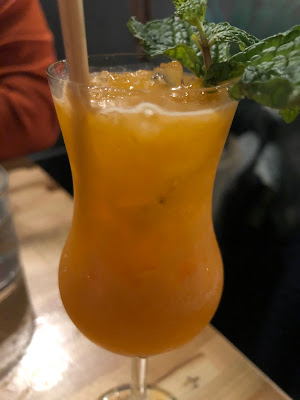
     Committee: Their Ultra Crushable Retsina Cocktail impressed me this year. It's rare to find Retsina in a cocktail, and it was made with Stray Dog Wild Gin, Flower Tea and Lime. This cocktail was well balanced, tasty and refreshing, with subtle pine notes beside a dominant herbal melange, mild tea notes, and a touch of sour from the limes. Their Frozen Mastjito was also excellent, a creative and tasty frozen drink, perfect for summer. 
     Nightshade Noodle Bar: I enjoyed numerous tasty cocktails here, including the Nightshade Mai Tai,  Saigon Cigar Club, the Nha Trang Beach (with Mezcal), and Coconut Margarita. And on their dessert list, I loved the Thai Tea, a small Thai Tea Mai Tai. The cocktails are creative, well-balanced and delicious. 

Favorite Spirit Class: With the pandemic, there have been far fewer wine and spirit classes. However, I was able to attend A Baijiu Class with Derek Sandhaus. Baijiu is under-appreciated in the U.S. so it's cool to see at least a few people promoting it in the local area. Derek is personable, down to earth, passionate and very knowledgeable. We tasted four Baijiu and a Baijiu cocktail, while listening to all Derek had to teach us. Fun, tasty and informative. 

Favorite High-End Baijiu: The Luzhou Laojiao Guajiao National Cellar ($220/500ml) is produced in a very traditional manner, aged for at least 5 years in natural caves, and is 104 proof. The nose is complex, with a find blend of herbal and fruity notes, and on the palate it's equally complex. You'll find tropical and stone fruit flavors, complemented by herbal and peppery elements with a hint of anise. It's also silky smooth with a lengthy, pleasing finish, perfect for slowly sipping, enjoying each complex and delicious taste. Taste this Baijiu and I'm sure you'll become a Baijiu convert. 

Favorite Value Baijiu: For a less expensive choice, the Ming River Baijiu ($37.99) is an excellent option. It's made from locally harvested red sorghum grain and pure well water. It is fermented in a traditional mudpit, using naturally harvested yeast, and then distilled in small batches in a pot still. It is then commonly aged for up to two years before the final blending. On the nose, the Baijiu is fruity and appealing, without any aromas which would turn off someone. It isn't the off-putting aroma of which some people assume all Baijiu possess. When you taste it, there's an intriguing melange of flavors, with prominent tropical fruit flavors, especially some pineapple, with an undercurrent of anise and pepper and some floral notes. It possesses a lengthy finish, a mild sweetness, and there's an umami element as well. Well balanced and complex, this Baijiu is delicious on its own, but also is very versatile for cocktails.

Favorite Baijiu Cocktail: For World Baijiu Day, Sumiao Hunan Kitchen, in Cambridge, created the Peppermelon Baijiu cocktail. It ws made with Baijiu, fresh Watermelon juice, black pepper honey syrup, and lemon juice. It has a mild sweetness, a rich watermelon flavor, a subtle peppery kick and the Baijiu came out primarily on the finish. It was nicely balanced, perfect for the summer, and the components worked very well with the Baijiu. And the peppered piece of watermelon on the rim of the glass was a nice treat once the cocktail was gone.

Favorite Vermouth: Maybe the first modern Japanese version of Vermouth, the Oka Brand Japanese Bermutto is fascinating and delicious. It is made from a base of Junmai Sake, which is fortified with Kuma Shochu, a 100% rice Shochu, and has an 18% ABV. Four botanicals are added to it, including Yuzu, Kabosu, Sansho & Yomogi. Tasting it on its own, the Bermutto has a prominent yuzu/citrus aroma, with a subtle herbal accent, and on the palate, it is dry and the yuzu/citrus remains the main flavor, with hints of herbal notes and a mildly bitter finish from the Yomogi. That bitterness is much more restrained than the wormwood taste found in many other vermouths. This is excellent in cocktails.

Favorite Gin: After experiencing Stray Dog Wild Gin, a Greek gin, at Committee, I knew I needed to add it to my home bar. The gin is made with a number of wild-foraged botanicals as well as other ingredients, including sage, fennel seed, rosemary, mastiha, bay leaf, lemon, orange, cardamom, juniper, and coriander. They also use mountain spring water. It's hand-crafted in small batches using traditional copper pot stills. On the nose, there are definite notes of juniper, although it's more subdued than many other gins. You'll also find other herbal notes mixing with the juniper. On the palate, it's a smooth and compelling gin, with a wonderful melange of herbal and citrus flavors, where the juniper is but one aspect of the whole. It is well-balanced, with all of the ingredients working harmoniously together. Each sip seems to bring something different to your mouth, and it's easy to slowly sip a glass and savor its complexity.

Favorite Bouborn Cream: The Black Button Bespoke Bourbon Cream, made in New York, is made with their Bourbon, fresh farm cream, and a little caramel. It's absolutely delicious, with a rich, creamy mouthfeel and delicious and complex notes of cream, caramel, vanilla and spices. It has a nice freshness to it that some other cream liqueurs lack. This Bourbon Cream is going to appeal to many people, and is perfect on its own, although you could make cocktails with it as well. 

Favorite Canned Cocktail: Also from Black Button distillery, the CanBee Cocktails Bee's Knees is their first canned cocktail, using the Bee's Knees recipe that was likely invented during Prohibition. This canned cocktail is made with their own Citrus-Forward Gun, real lemon juice, and farm-fresh honey (made from their own bees), without any artificial flavors or colors. I found it to be light, refreshing and tasty. It wasn't overly sweet or sour, but possessed a nice balance of flavors, citrus and botanicals. And with its lower alcohol, you can enjoy a few on a nice summer day, at the beach, on a boat, etc. There's a light effervescence to the cocktail, and it would work well with food too, especially seafood. 

Favorite Cider: The Shacksbury Whistle-Pig Lo-Ball is a limited edition, a "barrel aged highball cider," at 4.8% ABV, which was aged in WhistlePig's Vermont white oak barrels that were used to age their FarmStock whiskey. The Lo-Ball is crisp and dry, quite refreshing, and possesses a rich apple flavor complemented with spicy notes and a subtle hint of whiskey. It was well balanced, with a pleasing finish, and I was extremely glad that I bought it. With its low alcohol content, you can easily have a few cans in a fine summer day, or a crisp autumn afternoon. It is certainly delicious on its own, but could also pair well with a variety of foods.

Favorite Wine/Spirit/Cocktail Histories: This year, I wrote four fascinating historical articles which touched on spirits and/or cocktails. 

Favorite Honjozo Sake: The Yuki Otoko "Yeti" Honjozo  was made with Gohyakumangoku and Koishibuki rice, polished down to 65%, a bit more than what is required to be a Honjozo. The Sake also has a 15.5% ABV, a SMV +8, and an Acidity of 1.2. It is said to be "Dry, light and clean like melting snow."It also can be served chilled, warmed, or at room temperature. I found it to be a clean and refreshing Sake, with a savory kick of umami. Subtle melon and citrus flavors with the umami taking center stage. This would be excellent for seafood, mushrooms, or truffle dishes. The umami of the Sake makes it even more food friendly. Or you can just enjoy this Sake on its own, slowly sipped and enjoyed.

Favorite Sake Pairing: Cheese and Sake isn't a traditional pairing, but it works very well, with different Sakes pairing well with a variety of different cheeses. This past year, I tried Pairing Feta & Sake: Greece Meets Japan. I had three different Feta cheeses, including the Dodoni (a sheep's milk, from the southern region of Greece), Arahova Barrel (a sheep's milk, barrel aged), and the Olympus (also sheep's milk). I also have two Sakes, the Koshi No Kanbai Sai "Blue River" Junmai Ginjo and  the Fukucho "Seaside" Junmai Sparkling Sake. It was a fun and enlightening tasting, and the Sparkling Sake was the most compelling Sake for the Feta. 

Favorite Sake Educational Resource: For some of the latest and most fascinating current information about Sake, you need to read the Sake Industry News by John Gauntner. Each twice-monthly issue contains numerous intriguing news articles, sure to interest all Sake lovers, and with information you would be hard pressed to find elsewhere. I've learned plenty from this newsletter and eagerly look forward to each new issue. There's not enough Sake news available out there, and Gauntner is filling a much-needed niche. If you're interested in Sake, you definitely should subscribe. 

What were some of your favorite Wine, Spirit, Sake & Drink-related items this year?

Tuesday, July 27, 2021

Black Button Distilling: Bourbon Cream to Canned Cocktails

Last Friday, shares of Boston Beer dropped by 26%, largely because of a significantly decreased demand for Hard Seltzer. One of the reason for this reduced demand is the presence of Ready to Drink cocktails (RTDs), which have seen a huge boom in recent years. In 2019, RTD sales increased by about 43% and in 2020, they increased again by about 43%. I recently enjoyed a RTD new to the Massachusetts market, and was quite impressed with it.   

I participated in a media Zoom call, having received review samples of spirits, with Jason Barrett, the founder of Black Button Distilling in Rochester, New York. This distillery, which was founded in 2012, is the first grain-to-glass farm distillery in Rochester since Prohibition. At age 24, Jason quit his job to produce whiskey, a bold move but Jason's business appears to becoming successful. 

What is the meaning of the name of the distillery? Since 1922, Jason's family has been involved in the business of making buttons for men's suits. His mother still owns the company, and the distillery's office is located next to the button office. Jason is color blind so there was a long standing family joke that if Jason made buttons, he could only produce black buttons. So, that joke was adopted for the name of his distillery. 

As Jason stated, "Distillation is concentrating your ingredients." As preparation for his new venture, Jason learned double pass distillation but unknowingly ordered a single pass machine. So, he had to adjust his distillation process, noting that only 5% of these stills are capable of doing what Jason does with his still. However, it also takes twice as long, and can only work for a two hour span. This all helps the uniqueness of his spirits/ 

All of the grains they use are sourced from within 45 minutes of their location. They produce about 6,500 bottles of spirits each week, and four of their products account for about 85% of their income. Their products, the top four selling ones, are available in about 14 states, and just started becoming available in Massachusetts, distributed by Martignetti Companies. These include their Four Grain Straight Bourbon, Bespoke Bourbon Cream, Citrus Forward Gin, and CanBee Cocktails. 

The Citrus Forward Gin ($34.99), their #3 best seller, is made in an American New Age Style, produced with Cascade Hops and navel oranges. As it's fruit forward, it works best in cocktails with fruit components, and doesn't work as well in a cocktail like a Martini. There is a pleasant blend of botanicals, although there's a bit too much juniper for my personal taste (like 90% of all gins), but the addition of the citrus provides a nice balance. This is definitely a gin that works well in fruity cocktails, and which I could enjoy that way. 

The Four Grain Straight Bourbon ($59.99) is small-batch made, with 100% New York state grown grains including 60% corn, 20% wheat, 9% rye, and 11% malted barley. It's been aged for about 3 1/2 years in new charred American white oak barrels. The color is 100% from the barrels but only 30% of the taste is from the barrels. By the end of the year, their bourbon will be sold in cardboard tubes, to protect it from UV light which can hurt the whiskey. The bourbon has a pleasant flavor, a nice blend of vanilla, caramel, and baking spices, and would probably work best in cocktails. This is their #4 best seller.

The distillery also make a Rye (which I'd love to taste) as well as a Lilac Whiskey. As Rochester is known as the Lilac City, the distillery decided to make a special whiskey to reflect it. They only make the Lilac Whiskey one day a year, but it's a huge seller.

Their #1 best seller is their Bespoke Bourbon Cream ($34.99), and its creation was a fortuitous accident. Jason's father, a mechanical engineer, retired about 6 weeks after Jason started his distillery. So, his father sometimes worked at the distillery. However, his father rarely drank alcohol, except for Irish Cream, and he was also a very literal man. So, he couldn't tell customers that he enjoyed drinking any of the distillery's products. His father thus asked Jason to make something that he would enjoy to drink, that he could praise to customers.

At a meeting of local farmers, Jason fortunately ran into a man who had the machinery to make Irish Cream, one of only four such machines in the U.S. The man offered his machinery and fresh farm cream to combine with Jason's bourbon. A little caramel was also added to the drink. It quickly became extremely popular, and now they produce about 500,000 bottles annually, selling mostly in New York.

After tasting it, its easy to understand its popularity as it's absolutely delicious, with a rich, creamy mouthfeel and delicious and complex notes of cream, caramel, vanilla and spices. It has a nice freshness to it that some other cream liqueurs lack. This Bourbon Cream is going to appeal to many people, and is perfect on its own, although you could make cocktails with it as well. Highly recommended!

Their first RTD cocktail, produced under the brand of CanBee Cocktails, is Bee's Knees, and it's now their #2 best seller. The original Bee's Knees cocktail was likely invented during Prohibition, and is a blend of gin, lemon juice and honey. The CanBee Bee's Knees debuted in 2021, and is produced from their own Citrus-Forward Gun, real lemon juice, and farm-fresh honey (made from their own bees), without any artificial flavors or colors. It's available in 12 ounce cans, usually in 4-packs for $14.99, with an 8% ABV, 

Jason's sister has a Phd on bee neurology, which also intrigued Jason about bees so that they now have six beehives on their farm, using the honey for this canned cocktail. When they first made this cocktail, it was close to a 18% ABV, so they needed to lower that, including the use of additional botanicals. Another challenge was that when lemon juice is pasteurized, it acquires a greater potency, becoming super sour, so they had to significantly cut back the amount of lemon juice they used. As an aside, Jason mentioned that grapefruit doesn't distill well. Finally, they work with a local brewery to can these cocktails for them. 

I found this canned cocktail to be light, refreshing and tasty. It wasn't overly sweet or sour, but possessed a nice balance of flavors, citrus and botanicals. And with its lower alcohol, you can enjoy a few on a nice summer day, at the beach, on a boat, etc. There's a light effervescence to the cocktail, and it would work well with food too, especially seafood. And the can is portable and without the worry of glass breakage. Highly recommended! 

They are working on two additional cocktails, a Strawberry Mint Vodka and a Bourbon with Honey, Lemon & Coffee. Jason stated he generally doesn't like coffee but this Bourbon cocktail is supposed to taste more like Tiramisu. 

Plus, and importantly, "CanBee Cocktails aim to bring awareness to essential bee conservation efforts that preserve their vital presence within our delicate ecosystem by supporting the Xerces Society’s Pollinator Conservation Program, the largest pollinator conservation program in the world."  They can't legally say how much money from the sale of each can goes to saving the bees, but Jason would say that the sale of every can saves about 10 honeybees. 

Check the shelves of your favorite liquor store to seek out Black Button products, from their Bespoke Bourbon Cream to the CanBee Bee's Knees.  Jason was personable and down-to-earth, very honest about his distillery and spirits. Its great to support more local distilleries, which are clearly driven by passion.

Wednesday, July 7, 2021

Stray Dog Wild Gin: A Treasure of Greek Botanicals

At Committee Ouzeri+ Bar, you can find a variety of Greek spirits, such as Ouzo, Tsipouro, and Mastiha, some of which have recently been used in cocktails. On my most recent visit there, I made a new discovery, a Greek gin called Stray Dog Wild Gin. 

I'm very selective as to gin, but the Stray Dog thoroughly impressed so I had to seek out a bottle, to sample at home, to experiment with cocktails. Fortunately, I was able to get a couple bottles ($32 each) at the Malden Center Fine Wines. 

Let's begin with a little background on Gin. 

What is Gin? Under the Code of Federal Regulations, Chapter 27: Alcohol, Tobacco & Firearms, Part 5--Labeling and Advertising of Distilled Products, in Subpart C--Standards of Identity for Distilled Spirits, section 5.22(c), it states: “Gin” is a product obtained by original distillation from mash, or by redistillation of distilled spirits, or by mixing neutral spirits, with or over juniper berries and other aromatics, or with or over extracts derived from infusions, percolations, or maceration of such materials, and includes mixtures of gin and neutral spirits. It shall derive its main characteristic flavor from juniper berries and be bottled at not less than 80° proof."

Juniper, a crucial ingredient in Gin, has been revered for at least two thousand years for medicinal purposes. Around the 16th century, it would be the Dutch who would finally distill a juniper-flavored alcohol, which they called Genever, creating a spirit that was intended to be something other than a medicine. Around the 1690s, Genever began to be exported to England and it quickly become the most popular spirit, especially with the lower classes, and it was renamed gin.

However, besides juniper, the regulations are very loose as to what other botanicals and ingredients can be added to Gin. This gives much leeway to producers to create their own unique gin blends, and also allows for producers to use more local ingredients, giving a sense of place to their gin. This can help anchor certain types of gins to specific locations.

I'm not a fan of those gins with an overly strong juniper taste, far too piney for my preferences. I feel that the other botanicals get lost in those gins, vastly dominated by the juniper. I much prefer gin which has a more balanced melange of botanicals, and more and more of those styles of gin are being created. 

Not many distilleries in Greece are currently producing gin, but that is likely to grow with time. So, it will be very difficult to find Greek gin in the U.S., as only a few have been exported. The only Greek gin I've ever tasted is the Stray Dog, and it is certainly a fine example of a well-balanced gin.  

The idea for Stray Dog Wild Gin originated in 2017, when Johnny Livanos was on a hike in the Crete. Livanos, who lives in New York, is part of the famed Livanos Restaurant Group. During the hike, they were drinking Tsipouro, and Johnny decided to pick some wild herbs and add them to the spirit. After an hour or so, he tasted the Tsipouro again and savored its taste with the herbs. He saw an opportunity there, to create a new Greek spirit made with numerous botanicals.  

Livanos eventually met master distiller Dimitris Melissanidis, in Aridea, Greece, a 3rd generation distillery whose family has long produced traditional Greek spirits. Melissanidis had actually been experimenting with gin, as well as collecting wild herbs in the mountains of northern Greece. They hit it off, and eventually created the Stray Dog Wild Gin. 

The gin is made with a number of wild-foraged botanicals as well as other ingredients, including sage, fennel seed, rosemary, mastiha, bay leaf, lemon, orange, cardamom, juniper, and coriander. They also use mountain spring water. It is also hand-crafted in small batches using traditional copper pot stills. Livanos' objective was to create a taste of Greece through their gin, 

On the nose, there are definite notes of juniper, although it's more subdued than many other gins. You'll also find other herbal notes mixing with the juniper. On the palate, it's a smooth and compelling gin, with a wonderful melange of herbal and citrus flavors, where the juniper is but one aspect of the whole. It is well-balanced, with all of the ingredients working harmoniously together. Each sip seems to bring something different to your mouth, and it's easy to slowly sip a glass and savor its complexity. 

This is certainly a gin which you can enjoy on its own, maybe just over some ice. An excellent drink for the summer. I also made my first cocktail with it, simply adding some Jalapeño Limeade to the gin. I very much enjoyed the drink, the slight spicy heat of the japalpeno enhancing the herbal notes. This is a versatile gin, and I'm sure you can think of plenty of cocktails you can make with this fine gin. Highly recommended!

I'll end by noting that Stray Dog Wild Gin is also a supporter of animal welfare, and a portion of all their sales is donated to organizations and shelters in Greece that provide food, veterinary care and homes for stray animals. As an animal lover, that certainly makes the Stray Dog Wild Gin even more appealing.

Friday, April 5, 2019

Etsu: An Intriguing Japanese Gin With Yuzu

After their great success with Whiskey, it's starting to look like that the Japanese now want to master Gin. 

What is Gin? Under the Code of Federal Regulations, Chapter 27: Alcohol, Tobacco & Firearms, Part 5--Labeling and Advertising of Distilled Products, in Subpart C--Standards of Identity for Distilled Spirits, section 5.22(c), it states: “Gin” is a product obtained by original distillation from mash, or by redistillation of distilled spirits, or by mixing neutral spirits, with or over juniper berries and other aromatics, or with or over extracts derived from infusions, percolations, or maceration of such materials, and includes mixtures of gin and neutral spirits. It shall derive its main characteristic flavor from juniper berries and be bottled at not less than 80° proof."

Juniper, a crucial ingredient in Gin, has been revered for at least two thousand years for medicinal purposes. Around the 16th century, it would be the Dutch who would finally distill a juniper-flavored alcohol, which they called Genever, creating a spirit that was intended to be something other than a medicine. Around the 1690s, Genever began to be exported to England and it quickly become the most popular spirit, especially with the lower classes, and it was renamed gin.

However, besides juniper, the regulations are very loose as to what other botanicals and ingredients can be added to Gin. This gives much leeway to producers to create their own unique gin blends, and also allows for producers to use more local ingredients, giving a sense of place to their gin. This likely doesn't quite rise to the level of terroir, but can be fascinating, and help anchor certain types of gins to specific locations.

As I often said, I'm very particular about gin as I dislike those with an overly strong juniper taste, far too piney for my preferences. I feel that the other botanicals get lost in those gins, vastly dominated by the juniper. I much prefer gin which has a more balanced melange of botanicals, and more and more of those styles of gin are being created.

Although the Japanese have been making gin for over 80 years, it didn't start making a mark until 2016, when the new Ki No Bi Distillery in Kyoto claimed to have made the first artisanal gin in Japan. Since then, a number of other Japanese artisanal gins have been produced by other distilleries, though it is still in its infancy and few brands can be found locally. These gins have been using numerous local ingredients, setting them apart as clearly Japanese, including shiso, yuzu, sandro pepper, green tea, cherry blossoms and more.

Recently, while perusing the shelves at Bin Ends, I discovered a bottle of Etsu Gin ($39.99), a Japanese gin, and I had to buy a bottle to experience it. Earlier this year, Horizon Beverage became the first distributor in the U.S. to sell this gin. Etsu is made on the island of Hokkaido, the most northern prefecture in Japan. The distillery is located in the city of Asahikawa, though I've had difficulty pinpointing the specific distillery. From my own research, there appears to be only a single distillery in Asahikawa, currently owned by  the Oenon Holdings, Inc., and it produces a range of Sake, Shochu, liqueurs and other spirits. Though I haven't seen a direct connection between Oenon and Etsu, it seems probable there is a connection. 

The label states "Etsu" means "pleasure." though it can also be translated as "jubilation" or "joy." Etsu Gin uses a base spirit of a 100% cane neutral spirit and its ingredients include yuzu, bitter orange, licorice, coriander, angelica root, tea leaves, and maybe more. The ingredients are macerated for about 24 hours and distilled in a copper still with a swan neck. It is diluted down to a 43% ABV, with water from the Taisetsu Mountains and charcoal filtered. Each day, they only produce a single 500 liter batch.

With a clear color, the smell of juniper dominates the nose though I could detect some other fainter smells, such as yuzu and floral elements. On the palate, the botanicals were much more balanced and the juniper took a more supporting role rather than the lead. The yuzu took a more prominent role, providing tart citrus notes, while there were other flavors of green tea, pepper, and lime, with floral notes. Overall, it presents a complex palate, with other intriguing flavors flitting back and forth across your palate. This is definitely the style of gin I love and the Etsu was impressive. Highly recommended!

I could probably drink this simply on the rocks, though it also works well in a classic Gin & Tonic. It was also tasty when combined with some San Pellegrino Sparkling Prickly Pear & Orange. If you love Gin, or simply want to experience something different, then seek out Etsu Gin.

Friday, December 21, 2018

2018: Favorite Spirits, Sake, Cocktails & Drink-Related Items

What were some of my favorite spirits and drink-related items of the past year?

Let me finish out the lists of my best recommendations and favorites of 2018. I've already posted my Top Wine lists, Favorite Wine-Related Items, Top Ten Restaurant Dishes, Favorite Restaurants & Food-Related Items and my Top 50 Restaurants. This post will now concentrate on some of my Favorite Spirits, Sake, Cocktails & Drink-Related Items. This is certainly not a complete list but it is more a sampling of compelling and memorable matters I have experienced and posted about over the past year.

This is also a purely subjective list, based on my own preferences, and makes no claims about being the "best" of anything. But all of the items here have earned my strong recommendations and I hope you will enjoy them as well. For more spirits, Sake, cocktails and drink-related items, you can just search my blog posts for the past year.

Favorite Achievement in Spirits Writing: In The Rise Of Tequila In The 18th & 19th Centuries, I provided some historical background of how some Mezcal in Mexico eventually became known as Tequila. Much of the history deals with the 19th century, and includes quotes from numerous newspapers of that time period. There are plenty of intriguing tidbits about Tequila, from its pricing to how it was viewed in the U.S. And some of this information isn't found in any of the popular books about tequila.

Most Unusual Spirits Article: Alcohol is made from a wide variety of plants, from grape vines to grains, and various spices and herbs may be used in its creation as well. However, some people have also added animal parts to their alcohols, such as Mexico's famed Pechuga Mezcal. In my article, Animal Alcohol: Lamb Wine, Pigeon Blood Wine, Spirit of Goat & More, I discuss some of the more unique alcohols that used animals, mostly produced in Asia. I'm not sure how popular those spirits would be in the U.S. but I would be interested in at least sampling them.

Favorite Blended Scotch Whisky: Funded by a Kickstarter, the Sia Blended Scotch Whiskey has an intriguing nose, with touches of vanilla, spice, caramel and a tiny waft of smoke. On the palate, it is silky smooth, lacking the burn you find in some other Scotches. You'll find a melange of pleasing flavors, including caramel and vanilla, a strong spicy backbone, and more subtle hints of citrus, smoke, and toffee. It possesses a touch of sweetness and has a lengthy, satisfying finish. It accomplishes its goal of being approachable and accessible. And 1% of sales are donated to charities that help women start and grow their businesses.

Favorite U.S. Single Malt Whiskey: Created in Oregon, the Rogue Spirits Oregon Single Malt Whiskey is made from only three ingredients: Rogue Farms Risk™ Malt, Free-Range Coastal Water & Pacman Yeast, and it was aged for about five years in American oak. This light-colored whiskey possesses an alluring aroma, a complex blend of intriguing scents, which will make you simply sit and sniff your glass for a time, enjoying the aroma alone. On the palate, the complexity remains, with a fascinating melange of flavors, caramel to vanilla, baking spice to stone fruit, citrus to chocolate. Silky smooth, well-balanced and with a lengthy & satisfying finish. Absolutely delicious and it will please any whiskey lover.

Favorite Gin: Also from the Rogue Ale & Spits in Oregon, the Rogue Spirits Spruce Gin is the type of gin I prefer, presenting a delicious, intriguing and balanced mix of botanicals. The ingredient lists includes Spruce, Juniper Berries, Ginger, Fresh Cucumber, Orris Root, Orange Peel, Lemon Peel, Tangerine, Grains of Paradise, Angelica Root, Coriander & Free Range Coastal Water. On the nose, there is an intense smell of juniper, but beneath the dominant juniper are more subtle notes of the other botanicals, such as the spruce and citrus. On the palate, the botanicals balance out into a delicious and interesting combination, from fresh cucumber to herbal spruce, bright citrus and hints of spice. This could easily be drank on its own, with a little tonic, or make for an excellent component in a cocktail.

Favorite Brandy: I love Georgian wine, so it was inevitable that I would expand my samplings to include Georgian Chacha, a pomace brandy. The Askaneli Brothers Premium Chacha is matured in oak barrels for at least 12 months, and is filtered, which accounts for its colorless nature. With a 45% ABV, this chacha has an intriguing floral aroma and was surprising smooth and mild on the palate, with only a minor alcoholic bite. It possessed pleasant and more subtle flavors of hazelnut and citrus with floral accents. It was elegant, with a fairly long finish, and is definitely a very good value at its price. I definitely need to seek out more Chacha.

Favorite Spirits Book: John P. McEvoy published the second edition of his fascinating and informative guide to Mezcal, "Holy Smoke! It’s Mezcal!" The first edition was a comprehensive guide that I recommended often, and the second edition is even better. I should disclose as well that I'm mentioned in this new edition for my research into the origins of Pechuga Mezcal. The book is written in a fun and easy style, making it accessible for people of any knowledge level, and you'll enjoy some of the humorous bits scattered through the book. If you want to learn about Mezcal, this book will give you plenty of knowledge, recommendations and more.

Favorite Sherry Bar: Taberna de Haro wins this category hands-down, once again, as there is no other local restaurant which comes close. With over 60 Sherries, including some rarer bottlings, Chef/Owner Deborah Hansen has compiled an amazing Sherry list, offering a good number by the glass. The Sherries pair very well with her Spanish cuisine and I could easily sit at the bar all night sampling different Sherries, from a bone dry Fino to a sublime aged Palo Cortado. If you are ever in the area, you must stop here and try some Sherry.

Favorite Restaurant Cocktail: While sitting at the bar at La Bodega By Salts in Watertown, I perused their cocktail list and one item leaped out at me, and I knew I needed to try it. The Mangalitsa Old Fashioned is made with Amarena Wild Cherries, Angostura, and Mangalitsa Jamon Infused Bourbon. The Mangalitsa is a Hungarian heritage breed of pig, with a wooly coat, and its flesh is wonderfully delicious. The cocktail was excellent, very savory with a briny element to it, enhanced by hints of vanilla and cherry.

Runner-Up Favorite Restaurant Cocktails: Committee, the Greek restaurant in the Seaport, has a very good cocktail program, and two of their cocktails especially impressed me. The first is the Piscoteca, made with Pisco Barsol Verde, house-made tropical fassionola syrup, and lime. It was more dry, with intriguing tropical fruit flavors and a delightful vein of the Pisco. Very refreshing, it would also be a nice summer cocktail. Second is the Holy Smokes , made with Del Magüey Vida mezcal, Lillet Blanc, lemon, cinnamon, and tepache. The smoky agave spirit is prominent, enhanced by the spice and citrus, making it complex, refreshing and delicious. Another excellent choice for a summer cocktail.

Favorite Brunch Cocktail: At a killer brunch at Ledger in Salem, I enjoyed their 22 oz Bloody Mary, which is garnished with celery, an olive, a gherkin, and a hot pepper. It was a well made drink, with a pleasant spiciness and some other intriguing spices that were hard to identify, but which helped to make this cocktail different from many other Bloody Marys. And at only $14, it is a very good deal as well.

Favorite Beer: I dislike most beer, as I am very sensitive to the bitterness of hops and that taste turns me off. Every once in a while though, I find a beer that appeals to me. This year, I was impressed with the Backacre Beermaker Sour Golden Ale, produced by a brewery in Vermont. My friend Marc Hurwitz, the author of Boston's Hidden Restaurants, brought me a bottle of this beer, thinking that I might enjoy it, and he was certainly correct. This beer is inspired by the Gueuze, a Belgian lambic. With a nice golden color, I was impressed with its complex blend of flavors, with plenty of tartness, bright citrus notes, spice notes, and earthy hints. It certainly reminded me of certain, more natural ciders, and if blind tasted tested, many might not even realize this was a beer. Highly recommended!

Favorite Cider Paired Dinner: It is rare to find restaurants offering multi-course dinners paired with hard ciders. This year, Post 390 hosted a superb Farm to Post With Kimball Fruit Farm, with several heritage production, single-harvest ciders. The food was delicious, from Roast Pigeon to Heritage Porchetta, and the cider pairings worked so well. In addition, the ciders were intriguing, tasty, and tended to be more dry. Everyone near me at the dinner really enjoyed the food and ciders, and overall, it was an excellent experience. We need more cider-paired dinners!

Favorite Cider: From the Farm to Post With Kimball Fruit Farm, my favorite cider of the year was the Eden Specialty Ciders Ezekiel, a single varietal cider made from Kingston Black apples of the Windfall Orchard. This cider was also aged about about 12 months in an oak barrel. With an 8% ABV, this cider possessed an alluring aroma and on the palate it was a stunner. With a full body, it was elegant and crisp, complex and subtle, intriguing and delicious. It was dry, well-balanced and had a lengthy, satisfying finish, pairing very well with the porchetta. Frankly, it was one of the best ciders I've tasted in quite some time.

Favorite Daiginjo Sake: The Born Tokusen Junmai Daiginjo is produced from the highest quality Yamada Nishiki rice, polished down to 38%. What helps to make this Sake more unique is that it was aged for at least two years at 32 degrees Fahrenheit, the freezing point of water.  The aroma of this Sake is alluring and seductive, with rich fruit smells, floral accents and hints of spice. And on the palate, the complexity of its taste thoroughly impresses. There is a rich mouthfeel, an intense depth of flavor including tastes of citrus, melon, grapefruit, pear, vanilla, and licorice. It is silky smooth and elegant, with a lengthy, pleasing finish. Every sip brings something new to my mouth and made me crave the next sip. Simply superb.

Favorite Restaurant For Sake: I've previously mentioned that Momi Nonmi is my Favorite Japanese Restaurant of the year, and part of the reasons for that is due to their Sake program. Their Sake sommelier, Stephen Connolly, has curated an intriguing and delicious list of Sake, and his knowledge and passion are quite evident as he helps diners with Sake pairings. It is a restaurant where Sake plays a dominant role, and isn't just an after thought. Go here for delicious food and Sake,  and gain a bit of a Sake education.

What were some of your favorite spirits, cocktails, Sake, and drink-related items this year?

Tuesday, March 20, 2018

Rogue Spirits: Whiskey & Gin From Oregon

Dead Guy Ale to Rogue Sriracha Hot Stour, Yellow Snow Pilsner to Hazelutely Choctabulous, 8 Hope IPA to Morimoto Soba Ale. You might be familiar with these and other beers produced by the Rogue Brewery in Oregon. For over 30 years, this brewery has been at the forefront of the craft brewing movement. However, you might not know that they also own a distillery, producing primarily Whiskey and Gin, and these spirits are definitely worthy of your attention.

Initially, the Rogue team obtained the first distilling license in Washington, with plans to make Rum, but that lasted only a few days. Unfortunately, the distillery was shut down by the fire department so Rogue moved the facility to Oregon, which opened in 2003. Rogue Ale & Spirits became the first rum distillery in Oregon since the repeal of Prohibition. Their first spirits were Vodkas and Rums (such as Dark Rum and Hazelnut Spiced Rum), though those are now being phased out so the distillery can concentrate on producing quality Whiskey and Gin.

Recently, I met up with Dewey Weddington, the Director of Spirits at Rogue Ale & Spirits, and he tasted me through several of Rogue's new spirits. We met at Saloon, in Davis Square, sampling these spirits while accompanied with food. I've known Dewey for over six years, and respect his knowledge of wine, Sake, spirits and Oregon. It was a pleasure to raise a glass with him again, as well as learn about Rogue's intriguing spirits.

Rogue is creating artisan spirits, often using local ingredients, and aren't afraid to be innovative. They are also more unique as they are the only brewery in the U.S., and one of the very few distilleries, that owns their own cooperage. With the importance of barrel aging for whiskey, then owning their own cooperage is a significant advantage. Currently, they are using American oak for their barrels though they have started experimenting with some Oregon Oak, which they've found to possess less vanilla flavor and more citrus and baking spice. Next year, they are likely to release their first spirit that was aged in Oregon Oak, so that is certainly a fascinating item for the future.

Rogue's concentration will be on three different Whiskies and two Gins, and I tasted four of the five as their Rye Whiskey was not yet available. As you'll see from the photos below, the bottles are relatively simple in design, and I like that simplicity as it presents a more serious note. They aren't trying to cover up anything with a splashy design and amusing name. Instead, they want the exterior to be more understated, and let the liquid make the bolder statement.

The Rogue Spirits Dead Guy Whiskey ($49) uses the same base as their Dead Guy Ale, the same four malts just without any hops. The four malts include 2-Row, Maier Munich, C15 & Rogue Farms Dare™ and Risk™ Malts, while the other two ingredients are Pacman Yeast & Free Range Coastal Water. This whiskey is aged for 1-3 years, in Charred 3 American oak, and is said to be "ocean aged." What that means is that the distillery is located close to the Pacific Ocean and Yaquina Bay, and that the aging room is open to the outside, open to the elements. In this region, aging is considered to be slow and steady as there are few high temperatures and a high humidity from the ocean.

Bottled at 40% ABV, the whiskey has a pleasant aroma, with hints of orange and vanilla. On the palate, there is an interesting blend of flavors, with notes of citrus, caramel, maltiness, and hints of salinity. There is also a subtle taste reminiscent of beer which permeates the whiskey. It would be good on its own, or could be used in a variety of cocktails.

My favorite spirit of the evening was the Rogue Spirits Oregon Single Malt Whiskey ($65), which was only released a couple months ago and isn't yet available in Boston though will be in the near future. It is made from only three ingredients, including the Rogue Farms Risk™ Malt, Free-Range Coastal Water & Pacman Yeast, and was aged for about five years in American oak. Their website states: "The grains used are plowed, disced, harrowed, seeded, fed, watered, threshed, winnowed, malted, milled, mashed, fermented, distilled, smithed, barrel-aged and bottled by hand. When you grow it, you know it."

This light-colored whiskey possesses an alluring aroma, a complex blend of intriguing scents, which will make you simply sit and sniff your glass for a time, enjoying the aroma alone. On the palate, the complexity remains, with such a fascinating melange of flavors, caramel to vanilla, baking spice to stonefruit, citrus to chocolate. Silky smooth, well-balanced and with a lengthy & satisfying finish. Absolutely delicious and it will please any whiskey lover. Dewey stated he felt it reminded him of a Speyside whisky.

The Rogue Spirits Oregon Rye Whiskey has not yet been released. They used to have a rye farm in Independence, Oregon, but there were significant problems with slugs so they decided to move the farm, eventually selecting Tygh Valley. They are hopeful this new area will prove more beneficial for their rye. As a lover of Rye Whiskey, and based on the high quality of their Single Malt, I'm anxious to taste the Rye once it is released.

While sipping these spirits, we enjoyed some of Saloon's tasty cuisine. The Single Malt paired exquisitely with the briny Oysters, and more restaurants need to embrace the pairing of Whiskey & Oysters. The Devils On Horseback, feta-stuffed dates wrapped in bacon, are a decadent treat and also went well with the whiskey. The Poutine, potato wedges with garlic cheese curds & bacon gravy, was also a tasty comfort food, a fine bar snack. Though you might like drinking Whiskey on its own, it can pair well with a variety of dishes, an idea that isn't promoted enough.

I'm very particular as to the Gins I like, preferring a gin which has a more balanced taste of botanicals rather than one that is all about the juniper. The Rogue Spirits Spruce Gin ($35-$40) fits into my preferences, presenting a delicious, intriguing and balanced mix of botanicals from Oregon. The ingredient lists includes Spruce, Juniper Berries, Ginger, Fresh Cucumber, Orris Root, Orange Peel, Lemon Peel, Tangerine, Grains of Paradise, Angelica Root, Coriander & Free Range Coastal Water. It was fascinating to learn that around August, when the thousands of cucumbers are harvested, they are then peeled, one-by-one, a lengthy and laborious process. Approximately 100 pounds of cucumbers have to be added to each batch. The fall is also the only time of the year that they produce this gin.

On the nose, there is an intense smell of juniper, but beneath the dominant juniper were more subtle notes of the other botanicals, such as the spruce and citrus. On the palate, the botanicals balance out into a delicious and interesting combination, from fresh cucumber to herbal spruce, bright citrus and hints of spice. This could easily be drank on its own, with a little tonic, or make for an excellent component in a cocktail. This is certainly a Gin I would recommend.

The Rogue Spirits Pinot Spruce Gin ($35-$40) is the same gin as above, except this gin has been aged for about six months in former Pinot Noir barrels, mostly obtained from Chehalem Winery. As expected, the gin has a pleasing pink color from the barrels. In addition, the flavor profile adds an element of red berries to the botanicals, as well as some subtle notes of vanilla and baking spice. It is a more unique gin variation and works quite well. It is almost as if you created a Gin cocktail with Pinot Noir, though this would work well in other cocktails. Even gin haters may have an interest in this gin.

Within time, Rogue will be known for far more than just their craft beers, forging a name for themselves in the spirit world as well. Their Single Malt is compelling and should impress any whiskey lover. Their Gins are also compelling, worthy of your attention. Some might feel these spirits are too expensive however you should understand what you are purchasing. These are spirits made from local ingredients, created by a small, artisan distillery, and they are quality products. You should also ask yourself, do you want to support small, U.S. craft distilleries? I believe these spirts are worth the price and highly recommend them.

Friday, December 15, 2017

2017: Favorite Spirits, Sake, Cocktails & Drink-Related Items

What were some of my favorite spirits and drink-related items of the past year?

Let me continue the lists of my best recommendations and favorites of 2017. I have already posted my Top Wine lists as well as Favorite Wine-Related Items. This post will now concentrate on some of my Favorite Spirits, Sake, Cocktails & Drink-Related Items. This is certainly not a complete list but it is more a sampling of compelling and memorable matters I have experienced and posted about over the past year.

This is also a purely subjective list, based on my own preferences, and makes no claims about being the "best" of anything. But all of the items here have earned my strong recommendations and I hope you will enjoy them as well. For more spirits, Sake, cocktails and drink-related items, you can just search my blog posts for the past year.

Favorite Achievement in Spirits Writing: This year, I'm especially proud of my article, An Expanded History of Pechuga Mezcal, where my research uncovered a wealth of documented references to Pechuga Mezcal, a type of mezcal that has been flavored with meat, as well as maybe some fruits and spices. Prior to my article, there were bottles from the 1930s that were labeled Pechuga but there was no known documentary evidence prior to that time. However, I found over 30 different written references to Pechuga before the 1930s, extending as far back as 1864. There is still more research needed in this area, but I was pleased to contribute my efforts to expanding the known history of this fascinating type of Mezcal.

Favorite Whisky Dinner: A great theme, killer whisky, and delicious food all combined to make the  Robert Burns Scotch Dinner at Civic Kitchen & Drink a wondrous experience. It was my first Burns Night celebration and I marveled at the ritual, the toasting, and the intriguing food, including Haggis, which I actually enjoyed very much. There was plenty of Scotch, each unique in its own right, and all quite tasty and complex. The crowd was fun and it was more than just a simple dinner, but an intriguing experience and the memories will remain for a very long time.

Favorite Blended Scotch Whisky: This year, I've attended two Compass Box tasting events, though I've only written about one of them so far. However, it is clear to me that Compass Box and its owner John Glaser are producing some excellent blended Scotches. I've enjoyed most of the portfolio that I've tasted and am impressed with the diversity of their whiskies. Their limited edition Double Single thoroughly impressed it, a silky smooth, complex and well-balanced whisky with a fascinating melange of flavors. There were hints of vanilla and caramel, berries and tropical fruit, herbs and spices. Each sip seemed to bring something new to my palate. Highly recommended.

Favorite Irish Whiskey: Tullamore DEW, the "official Irish whiskey" of the Boston Red Sox, is offered at the Tully Tavern, in Fenway Park, especially in the Monster Mule, a variation of the Moscow Mule that is made with 1 part Tullamore DEW, 4 parts Ginger Beer, and lime juice. They have a nice portfolio of whiskies, but my favorite was the Tullamore DEW 14 Year Old Single Malt which is matured in the usual three types of barrels, but then also spends a little time in Port and Madeira casks. On the nose, there are pleasant notes of apple and tropical fruit, and the palate also presents this fruit flavors, accompanied by a complex mix of vanilla, spice and caramel, with an elegant creaminess that caresses your palate. The finish lingers for quite a time and I can easily see myself sipping this all evening.

Favorite Whisky Rant: It is an issue which deserves attention but seems unlikely it will acquire what is needed. In my Rant, Whisky, Sherry Barrels & A Lack Of Transparency, I discuss how a number of whiskey producers are using Sherry-style barrels, from outside the legal Sherry region, but those barrels are still be labeled as Sherry barrels. Sherry is a protected term and it should be respected and honored yet some whiskey producers are failing to do so. We need more people to know that this problem exists and then hopefully a united effort and get whiskey producers to change their ways on this issue.

Favorite Spanish Whisky: Have you ever tasted whisky from Spain? Spain isn't a significant producer of whisky but you may hear more about Spain in the near future if whisky like the Navazos Palazzi Malt Whisky becomes more well known. Produced from malted barley grown in Spain, the whisky spends about four to six years aging in Palo Cortado Sherry casks, which is definitely a rarity in the whiskey industry. This whisky presents with a nice, dark amber color and its complex aroma is enticing, a blend of harmonious fruits and spices. You could easily sit and enjoy the diverse nose of this whiskey for quite some time before taking a sip. Your palate will be seduced by the complex, and sometimes subtle, melange of flavors that caress and tantalize. It is sweet, briny and savory, with plenty of fruit, from apples to raisins, as well as lots of spicy notes. Honey, caramel, and malt with clear Sherry notes and a long and lingering finish that satisfies to the last wispy taste. It is elegant and compelling, unique and delicious, a well-balanced whiskey that will surprise and delight.

Favorite Unique Whiskey: At The Townshend in Quincy, Palmer Matthews, their Bar Manager, introduced me to Dry Fly Distilling Straight Triticale Whiskey, which might be the only straight Triticale whiskey in the world. Triticale is a hybrid of rye and wheat which was created in Scotland in the late 19th century. I enjoyed a shot, chilled by a single large chunk of ice, and found the whiskey to be intriguing, with a nice spicy kick up front, which then became soft and almost sweet. As I love Rye whiskey, I savored the spicy element of the Triticale, but also liked how the wheat softened it more on the finish. If you want something more unusual, but still quite tasty seek out this Triticale.

Favorite Maryland Rye Whiskey: During a visit to the Tenth Ward Distilling Company, I had the chance to taste a few of their products and I was most taken with their Lindsay Stunkle Rye Whiskey which is named after a famous Prohibition-era bootlegger from Frederick, Maryland. This limited-release whiskey is made from a mashbill of 80% malted rye and 20% malted barley, and comes in at a whopping 120 proof. It is released twice a year, in June and November, and is intended for home aging. It is spicy and potent, enhanced by the addition of a little water, and will definitely appeal to rye lovers. There is complexity to its taste and a lengthy finish, and I would love to see this aged in the barrel for a number of years.

Runner-Up Favorite Maryland Rye Whiskey: Also from the Tenth Ward Distilling Company, a more unique Rye whiskey is the White Caraway Rye, which is made from a mashbill of 80% malted rye and 20% malted barley, and comes in at 95 proof. The spirit is mashed with caraway seed so it is intended to taste more like rye bread, though it may also remind you of Scandinavian Akvavit. I was captivated by the intriguing flavors of this spirit, as it certainly reminded me of spicy rye bread, with a hint of mint. Though you could drink this on its own, I think it would be best used in creating some fascinating cocktails.

Favorite Gin: As I've said before, I'm not usually a fan of gin, disliking the over-powering juniper flavor I find in many, but I have enjoyed some that I felt were more well-balanced. Certainly a more unique gin, the Pierde Almas 9+ Botanicals is actually a hybrid Mezcal/Gin, using Mezcal as the base spirit and then adding nine botanicals, including juniper, coriander, star anise, fennel seed, orange peel, cassia bark, angelica root, orris root, and nutmeg. On the nose, the piney aroma of juniper is dominant though beneath that aroma were more subtle herbal notes. Once you taste it, the Mezcal elements make themselves known, and it is an intriguing and complex spirit. There are plenty of citrus notes up front, with an interesting melange of spices and herbs, as well as a smoky edge, especially on the finish. The piney notes of the juniper became much more integrated into the whole, and the other botanicals joined the complex mix. This is definitely a sipping spirit, which is quite enjoyable neat, and each sip seems to bring new flavors to your palate.

Runner-Up Gin: From the McClintock Distilling Co. in Maryland, their Forager Gin is a vapor infused New-World style gin using about 18 botanicals inspired by native herbs found in the Appalachian wilderness. On the nose, there is a strong juniper aroma with subtle hints of other botanicals in the background. On the palate, the botanical mix is more balanced, and the complex melange of flavors delights the mouth. There are elements of fruit, mainly citrus, and floral flavors, with a sprinkle of spice elements. The gin should be served chilled, and would be delicious on its own, or used in cocktails.

Favorite Rum: Rum actually has a lengthy history in the Oaxaca region, a place best known for Mezcal. However, little Oaxacan rum makes it out of Mexico, which is a shame. One of the recent exports is the stellar Paranubes Rum, brought to you by the good people of Mezcal Vago. Made from sugar cane juice, and not molasses, the Paranubes is made in a very traditional manner, the current producer being at least the 3rd generation in his family to produce this rum. Its aroma is very funky and prominent, with a saline character that reminds me of the smell of the ocean or an olive tapenade. The aroma doesn't follow through much on the palate, which instead brings a mild sweetness, a touch of grassiness, and some citrus and tropical fruit flavors. It is more light and elegant, with a lengthy and pleasing finish. It reminds me of a Rhum Agricole, and its distinctive and unique aroma and taste certainly sets it apart. The Paranubes can be consumed on its own though it also would work well in a variety of cocktails.

Favorite Unique Rum:
From Navazos Palazzi, which also made the Spanish whiskey I previously mentioned, comes another unique spirit, a Cask Strength Rum, aged in Sherry barrels. The base rum had been distilled in the Antilles, where it aged for five years in ex-Bourbon barrels, and then given to a Spanish Sherry bodega, where the rum further aged in Oloroso barrels for 10 years. The color of this rum was deep and dark, though with some translucence, reminding me in some ways of an aged Oloroso Sherry. I was enamored with the complex aromas that wafted up, seducing my nose. There was fruit and spice, nuts and chocolate, and it was a pleasure just to sit and enjoy the aromas. On the palate, I was initially pleased with the relative dryness of the rum. It wasn't one of the prominent sweet rums but rather its sweetness was of a more subtle nature, with underlying caramel, vanilla and molasses flavors. And the complexity of the nose was duplicated on the palate, such a compelling melange of flavors that seemed to present something new each sip I took. There was a certain nutty and saline character that reminded me of Sherry, but also bright citrus and plum notes. There were plenty of spicy elements, with a backbone of umami, and hints of leather. Elegant and fascinating, this rum had a pleasing, lengthy finish.

Favorite Mezcal: Pierde Almas, which made the Mezcal/Gin hybrid mentioned above, is primarily a Mezcal producer and they have an amazing portfolio. My current favorite is their  Maguey de Lumbre Mezcal, made from a rare and little-known agave. The aroma is more subtle, with hints of citrus and smoke, and the first taste is pure gustatory pleasure, a hedonistic revel in the complexities and flavors of the Mezcal. This was a compelling Mezcal and once I started looking deeper, it only became even more intriguing. Citrus notes dominated the flavor profile but there was much complexity providing harmony to the spirit. There was also a mild smokiness, subtle herbal accents, and wispy spice notes. Just sit and sip it and you'll realize the fascinating complexity of this spirit. The taste was clean and smooth, an elegant pleasure, something to slowly savor on a summer evening, though you could certainly enjoy this year round.

Favorite Pechuga Mezcal: Pierde Almas also produced my current favorite Pechuga Mezcal, the Mezcal de Conejo, which is produced using a rabbit. Pechuga is a type of mezcal that has been flavored with meat, as well as maybe some fruits and spices. Once I tasted this Pechuga, I was immediately struck by the anise notes in this Mezcal and then I could detect the ripe fruit flavors, especially pineapple, a mild smokiness, and a touch of a more wild and gamey element. It was complex and intriguing, a unique melange of flavors which should please any Mezcal lover. You wouldn't know this Mezcal was made with rabbit, but it still would make for an interesting addition to your Easter dinner.

Favorite Shochu: Shochu, a distilled spirit made in Japan, can be made from many different ingredients though sweet potato is considered one of the best choices. While dining at Tori Shin in New York City, I thoroughly enjoyed a glass of Shochu, the Tenshi no Yuwaku, which is a sweet potato Shochu that was fermented in Sherry casks for about 10 years. This is a more unique Shochu as few are ever aged this long. It's name translates as "Angel's Temptation," a reference to the Angel's Share, the amount of spirit that evaporates over time while it ages in a barrel. I enjoyed it neat, finding it rich and creamy, with intense Sherry notes, hints of sweetness, and plenty of complexity.

Favorite New Liqueur: A collaborative effort between companies in Britain & France, the Escubac seems to have its roots in Ireland. It is a "juniper-free botanical spirit," made from a base of neutral sugar beet alcohol with the addition of 14 botanicals. After it is distilled, they infuse it with saffron and sweeten it with raisins, vanilla, and sugar. The Escubac has some sweetness up front but it wasn't cloying or overly sweet, and it was complemented with a mix of citrus and herbal notes, with intriguing spice notes and a touch of bitterness. I was pleased with its complex and intriguing melange of flavors, and it can easily be used in a variety of cocktails.

Favorite Baijiu: With many Americans, the Chinese spirit Baijiu suffers an image problem, often considered to have a terrible, off-putting taste. Though there are some Baijiu with very strong aromas and tastes, others have much lighter and appealing flavors and are worthy of attention. Made in New Zealand, Taizi Baijiu, the creation of two Chinese brothers, would be a great introduction to Baijiu for anyone. With its clear color, the Baijiu has an intriguing nose of berries and licorice, and on your palate, the berry flavors are very prominent upfront with more licorice notes on the finish. It has a slightly oily texture, but drinks very smooth and balanced, and you wouldn't realize its high alcohol content. There is an underlying complexity, more subtle notes, including some herbal elements, accenting the Baijiu. One of the best Baijiu I've ever tasted, I highly recommend it.

Favorite Chicago Bars: On a whirlwind visit to Chicago, I was fortunate to visit two cool and compelling bars, including Income Tax and Estereo. Income Tax, which has been open for a year, is cozy and elegant, with a lengthy bar and a casual, welcoming vibe. Their drinks list is diverse and interesting, and they carry some Sherry by the glass. Their food is also quite tasty, and is great for pairing with a glass of wine or a cocktail. Service is excellent as well, and it is the type of neighborhood bar you really should frequent. Estereo is also a neighborhood bar, specializing in spirits from Mexico, Central America, and South America such as Cachaca, Pisco, Mezcal, Tequila, Sotol and more. Great cocktails, incredible diversity in their spirits, knowledgeable staff, and a fun & lively atmosphere make this a great place to drink.

Favorite Sherry Bar: Taberna de Haro wins this category hands-down, once again, as there is no other local restaurant which comes close. With over 60 Sherries, including some rarer bottlings, Chef/Owner Deborah Hansen has compiled an amazing Sherry list, offering a good number by the glass. The Sherries pair very well with her Spanish cuisine and I could easily sit at the bar all night sampling different Sherries, from a bone dry Fino to a sublime aged Palo Cortado. If you are ever in the area, you must stop here and try some Sherry.

Favorite Restaurant Cocktail: The Schrodinger's Coupe is available at Sumiao Hunan Kitchen, which makes several other Baijiu cocktails too. The Coupe is made with Baijiu, curaçao, grapefruit, lime and plum bitters. It's Baijiu taste was accompanied by some sour fruit flavors with a hint of grapefruit. It wasn't overly sweet and was a refreshing summer drink.

Favorite Restaurant Hot Cocktail: While at a Burns Night dinner at Civic Kitchen & Drink, we began the evening with the Ginger Rabbie, a hot cocktail, made with Towiemore Classic Scotch, tea, molasses, and ginger. It was similar in some respects to a hot toddy, only mildly alcoholic, lightly sweet, and with a pleasing taste of tea and spice. Great for the winter.

Favorite Daiginjo Sake: The Kirin-Zan Junmai Daiginjo, which comes in a cool pentagonal blue bottle, is a superb Sake, elegant and complex, with such an alluring taste. It is clean and bright, with subtle citrus notes, some peach and melon, and a lengthy, pleasing finish. It is said to be "reminiscent of a clean mountain stream," and it possesses such a sense of purity, a Sake that pairs perfectly with nigiri. This is a Sake which impresses and I highly recommend it. Find it locally at Pabu Boston.

Favorite Junmai Ginjo Sake: I was impressed with the unique Hakkaisan Snow-Aged Junmai Ginjo, which spends three years in an insulated storage room chilled only by 1000 tons of snow! It is a Genshu, undiluted by water, and has a high acidity. I found the Hakkaisan to have a more subtle aroma and on the palate presented an elegant, deep complexity with hints of melon and a touch of anise. It was full-bodied and smooth with rich, savory umami. A hedonistic pleasure that is extremely food friendly. It can be found locally at Reliable Market.

Runner-Up Favorite Junmai Ginjo Sake: While dining at Torishin, a killer Yakitori restaurant in New York City, I ordered a carafe of Fukuju Junmai Ginjo and it was so delicious I had to order a second carafe. The Sake was simply superb, with a dry, clean and elegant taste with plenty of fruit notes. It was silky smooth, drank so easily, and I could have sat all night savoring this Sake. Highly recommended.

Favorite Kimoto/Yamahai Sake: The Suehiro Densho Yamahai Junmai Sake is produced from Gohyakumangoku rice, and is a typical Yamahai Sake, with delicious earthy notes, high acidity and plenty of umami. It is easy drinking, smooth, and complex with a hint of citrus, smoke, and sweetness. Simply a delicious Sake, which will pair well with many different foods, from mushroom risotto to a grilled steak.

Runner-Up Favorite Kimoto/Yamahai Sake: The Sohomare Tokubetsu Kimoto Sake has a high acidity and it was quite compelling, a mellow and smooth-drinking Sake with plenty of delicious umami. It has a richness to the mouthfeel, a lengthy and satisfying finish, and is something I could sit and drink all day. There is a mild earthiness to the Sake which enhances the totality. A well-made and delicious Sake, it would be an excellent pairing with umami dishes, especially mushroom or truffle-based ones, and would also go well with various meats.

Favorite Sake Store: It is difficult to find a local wine shop that carries a large and diverse Sake selection. However, Reliable Market, in Union Square, Somerville, has been enlarging their selection, and stock many of their Sake in refrigerated cases. You'll find plenty of Sake, of all types, in regular-sized bottles as well as half-bottles, at a range of price points. They also carry both local Sakes, Dovetail (from Waltham) and Blue Current (from Kittery, Maine). Reliable Market probably has the best and largest Sake selection in the Boston-area and you should check it out.

Favorite Sake News: Back in April 2015, I posted an article, An Expanded History of Sake Brewing in the U.S., which discussed the early history of Sake breweries in the U.S. My research for this article included combing through hundreds of old newspapers, picking out tidbits of information that hadn't been previously collected into a single resource. It was a fascinating exploration, expanding my knowledge of this topic, and revealing intriguing facts which contradicted what many previously believed. This year, a Japanese man, who runs a packaging company, wrote an article for a Japanese Sake journal based upon my article and I wrote out it in My History of U.S. Sake Breweries Inspires A Journal Article. And fortunately, I got to meet the author last month when he visited Boston, and we drank plenty of Sake together.

Least Favorite Sake News: In Ugh! More Stinkin' Scores For Sake From Wine Advocate, I express my displeasure at the Wine Advocate for continuing to provide "scores" for Sake. I've been ranting about this issue since 2013 but it is more recently that the Wine Advocate has started providing Sake scores on a more regular basis. Their main effect seems to be raising prices and they don't seem to be sparking much discussion or interest on Sake. Even on the Robert Parker bulletin boards, Sake discussion is all but nonexistent. The scores aren't really helping anyone, and are probably hurting more, so they should be eliminated.

Favorite Beer: I dislike most beer, as I am very sensitive to the bitterness of hops and that taste turns me off. Every once in a while though, I find a beer that does appeal to me. This year, I was impressed with the The Flying Dog "Heat Series" Shishito Rice Ale. This beer is brewed with Shishito peppers, a generally sweet Asian pepper where about one in ten is spicy. I found this beer to be light, crisp and refreshing, lacking bitterness and with just a whisper of spicy heat, mainly on the finish. There are some subtle malty undertones and a couple hints reminding me of a Sake. It would be an excellent beverage on a hot, summer day.

Favorite Cider: From the Asturian region of Spain, the 1947 Sidra de Nueva Expresion is
is a Petillant Semi-Dry Cider, produced from a blend of 14 apple varieties, all from their own orchards, with a rough breakdown of about 75% sharp, 15% bitter-sharp and the rest bitter-sweet. Fermentation occurs in an open chestnut vat, with wild yeasts, and I was quite surprised that they also allow it to mature in the open vat for about 12 months! The vats are old, some being as much as a hundred years or more, and are quite large, about 15,000 liters. It possesses a strong, appealing apple aroma and on the palate, it presents as mostly dry and crisp, with strong apple flavors and only the slightest hint of sweetness. It also has a  mild effervescence, enough to be a nice palate cleanser and excellent for food pairings, and a lengthy pleasing finish.

Favorite Pear Cider: For the second year in a row, this Asturian pear cider, the Viuda de Angelón Sidra de Pera is the winner. The pear trees are wild, organic and over 70 years old. Once the pears are picked, they are first fermented in stainless steel, with wild yeasts, and then mature for about four months in chestnut vats. Then, they undergo a second fermentation in the tank. This is an impressive Perry, with a harmonious blend of earthiness with subtle pear flavor and a mild effervescence. It is dry and refreshing, with lots of depth. It would be excellent on its own or paired with food, especially something with umami.

Favorite Non-Alcoholic Cocktail: At Sumiao Hunan Kitchen, they have several cocktails, and I was impressed with their Sumiao Citrus, which is made with white grapefruit juice, lemon, simple syrup, blood orange puree, and orange garnish. This was an interesting concoction, not overly sweet, and was quite refreshing. The fruit flavors blended well together, presenting a tasty melange of flavors. If you aren't drinking something alcoholic with your meal, then this would be a good option.

Favorite Non-Alcoholic Drink: Switchel used to be popular in New England in the 17th century, and now seems to be making a bit of a comeback. At Russell Orchards in Ipswich, I bought their version of Switchel, which is made from with apple cider vinegar, apple cider, maple syrup, ginger and water, with the vinegar and cider made on their premises. It is unpasteurized so needs to be refrigerated. The Switchel possesses a distinctive ginger aroma and it is prominent on the palate too. It is dry with a prominent vinegar aspect, subtle apple notes, and a ginger backbone. It is refreshing and I see how it can be quite refreshing on a hot day. Plus, it makes for a great cocktail ingredient.

Favorite Canned Non-Alcoholic Drink: At Gre.co, a fast-casual Greek restaurant on Newbury Street in Boston, they have a few canned drinks including the Tuvunu Greek Mountain Tea, which is made from Sideritis, an indigenous perennial. The tea is flavored with brown cane sugar, wild blossom honey, and fresh squeezed lemon juice. It was delicious, with only a mild sweetness, and pleasing tea notes and an herbal backbone. It is refreshing and you could easily drink can after can without feeling bloated or overwhelmed by sugar as you can be with soda.

What were some of your favorite spirits and drink-related items this year?